








































Mobile POS solutions
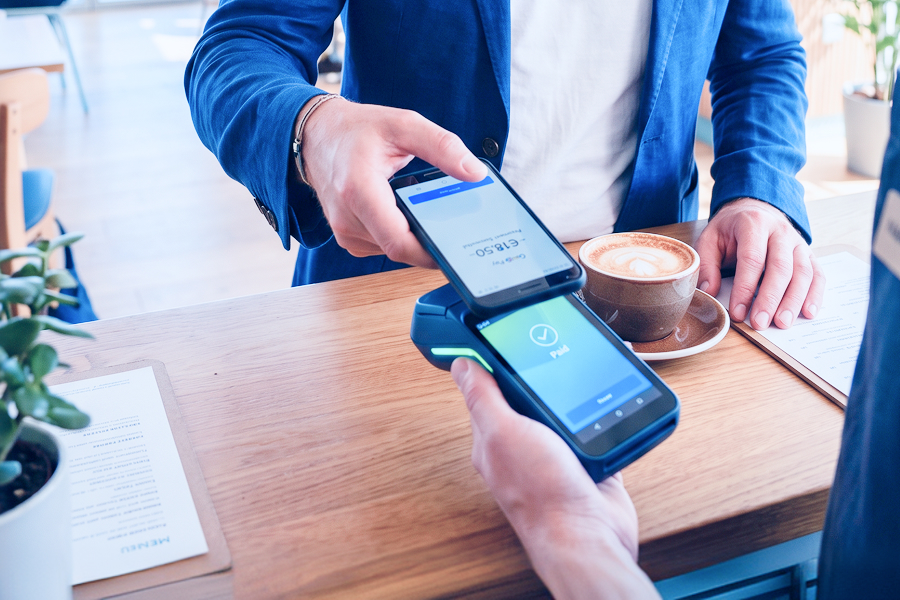
Mobile checkout systems for flexible in-store transactions and service.


Cross-industry engineering experience across regulated and high-growth sectors.
All Industries



“Retail analytics spend will hit $25 billion by 2029 at a 24% CAGR.” — MarketsandMarkets





















“Insight-driven retailers achieved 3–5% sales uplift and up to 4 points of net margin gain.” — McKinsey













 USA
USA PL
PL UA
UA MX
MX TR
TR
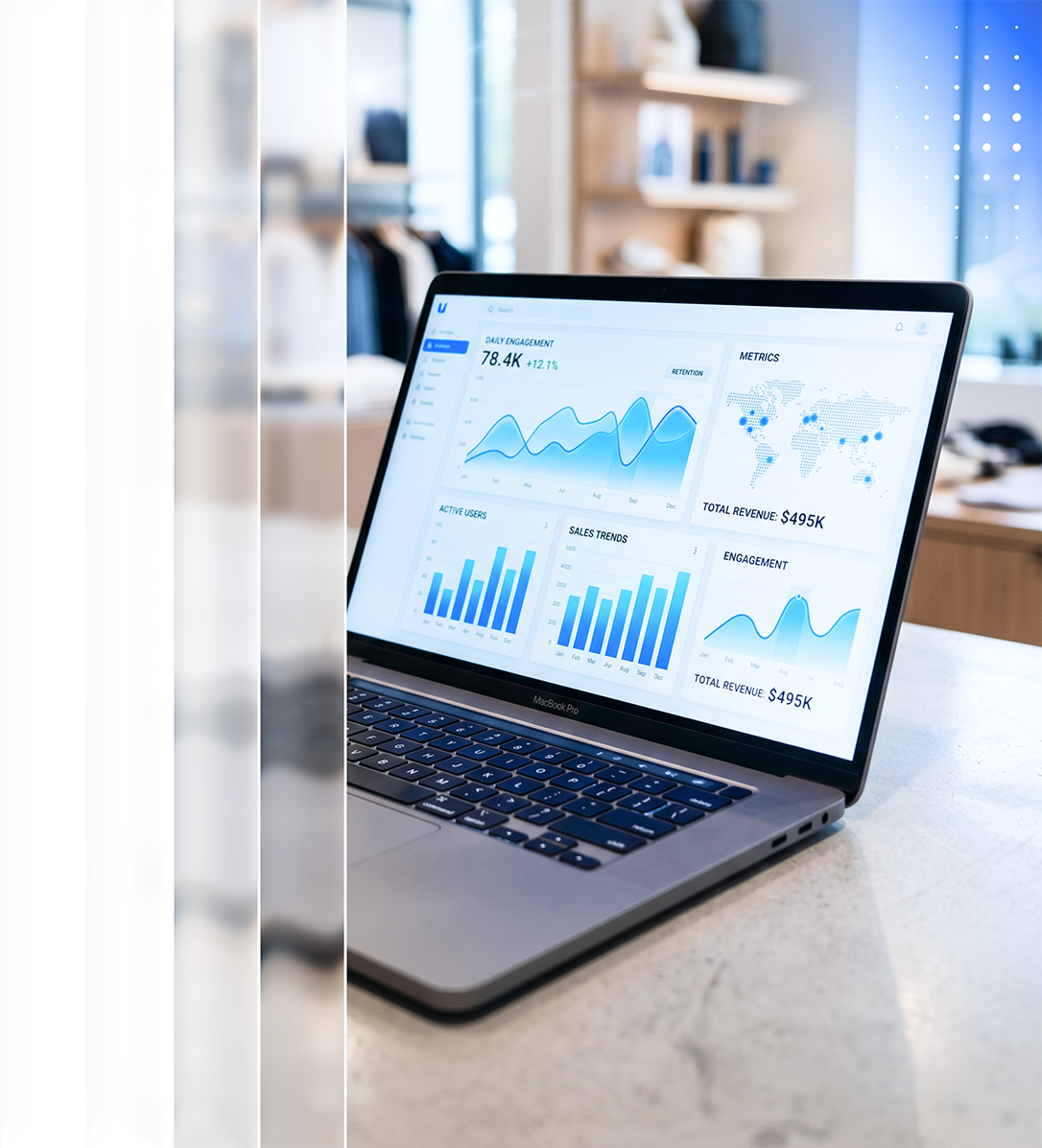
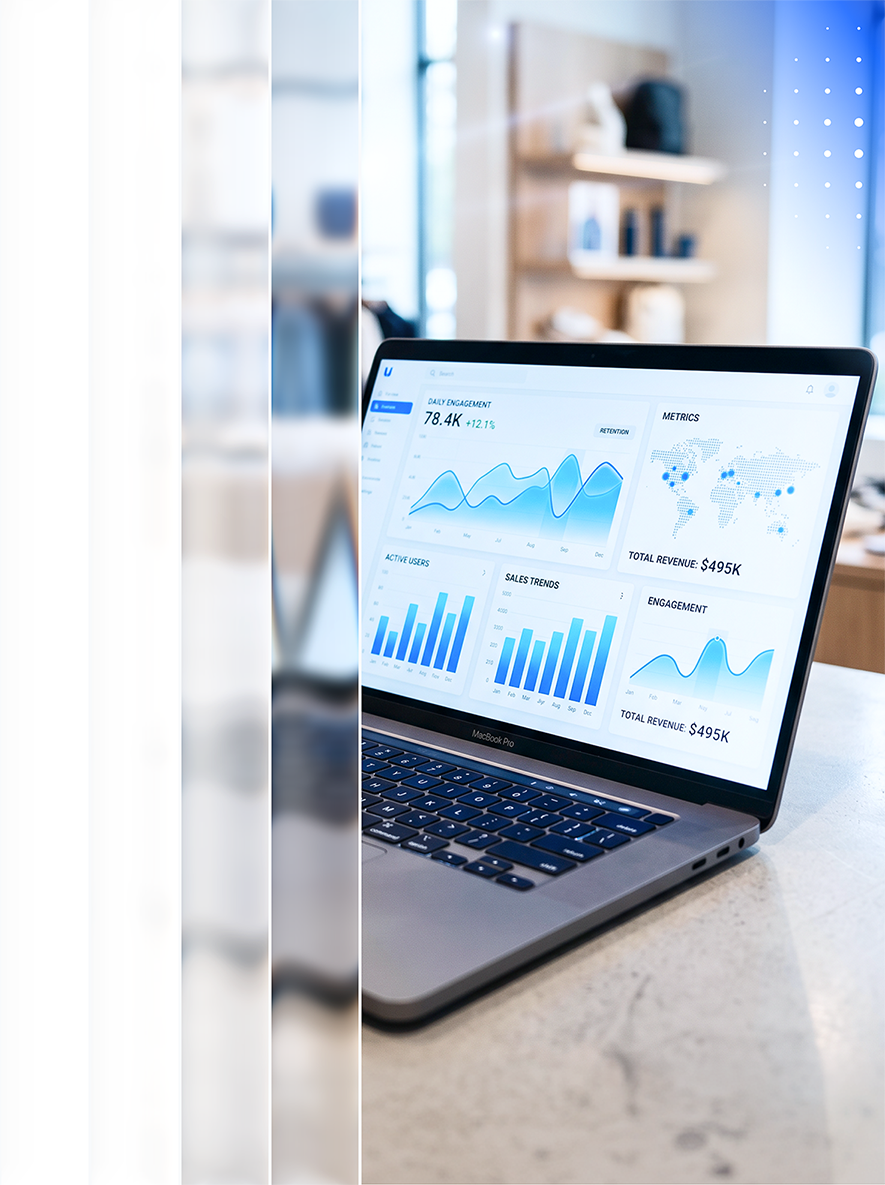
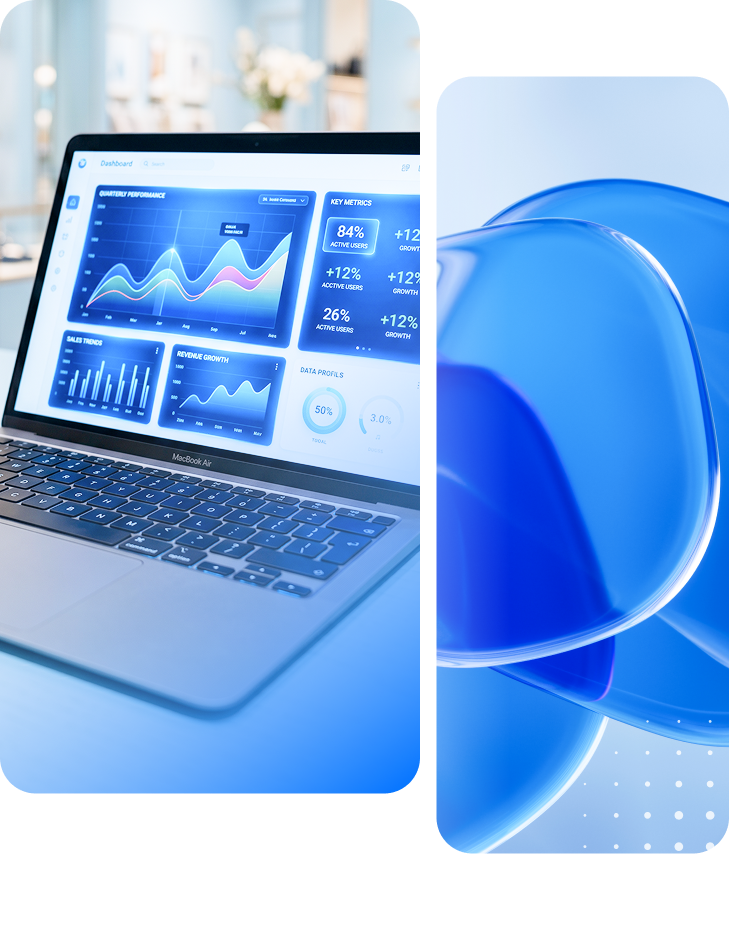
Retail analytics is the process of collecting, processing, and analyzing data from POS systems, customer transactions, inventory records, and marketing channels to generate insights that improve commercial and operational business decisions. The output ranges from standard performance dashboards to AI-driven forecasting and personalization systems.
A retail analytics program connects your data sources into a unified platform, cleans and transforms the data generated across online and offline channels, applies statistical and ML models to surface patterns, and delivers outputs through dashboards and automated decision tools. The underlying infrastructure typically combines a cloud data warehouse, ETL pipelines, and a visualization and analytical layer.
Cost depends on data volume, the number of source systems requiring integration, the complexity of models needed, and whether the program includes ML or AI components. Zoolatech scopes each engagement during a structured discovery phase to produce a clear, itemized estimate before any development work begins.
Most retail analytics programs draw on transaction data from POS systems, inventory records, customer data from CRM and loyalty platforms, and marketing performance data. Zoolatech’s data audit phase identifies which sources are available, assesses their quality, and determines the integration work required before analytics delivery begins.
A foundational retail analytics platform typically runs 3 to 6 months from data audit through initial deployment, depending on integration count, data quality remediation required, and the complexity of ML components included. More advanced programs with multiple production models may extend to 9 to 12 months.
Descriptive analytics summarizes what has already happened, typically through historical reports and performance dashboards. Predictive analytics uses statistical models, machine learning, and data science to forecast what is likely to happen next, covering demand, customer behavior, and revenue outcomes with quantified probability estimates.