







































Custom healthcare software development
Explore the full healthcare software development practice, from platforms to data.


Cross-industry engineering experience across regulated and high-growth sectors.
All Industries




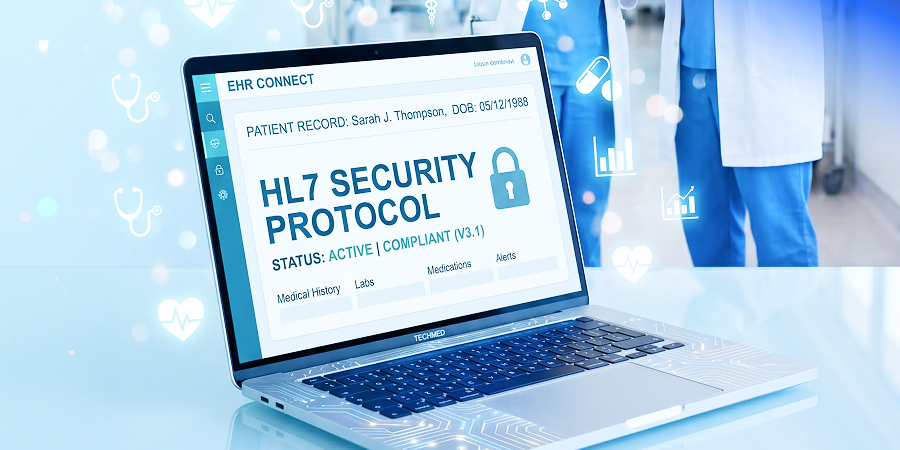









“Poor data quality costs organizations an average of $12.9 million a year, and in healthcare those costs escalate quickly.” — Gartner




Build the warehouse, lakehouse, and pipelines that turn raw data into a trusted analytics platform.
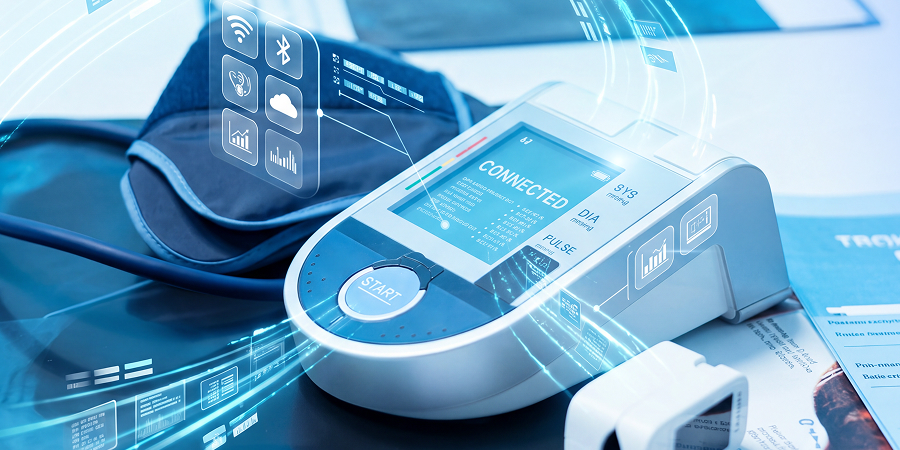
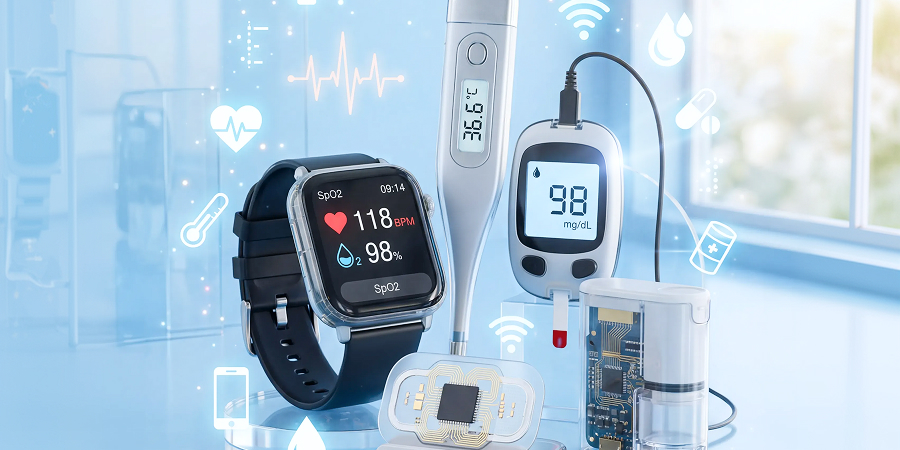
Connect EHR, claims, and device data through FHIR and HL7 interoperability.
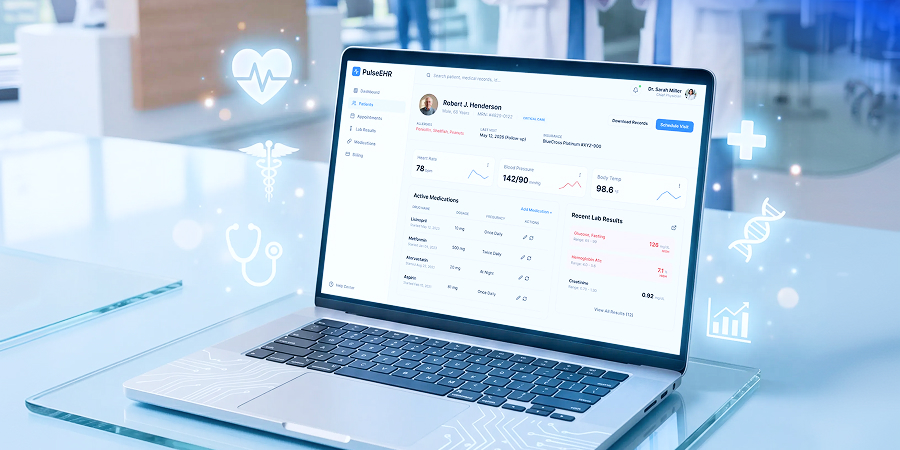
Deliver dashboards, reporting, and data visualization that clinical and operational staff actually use.
Apply predictive analytics and machine learning once data is clean and structured for models.
Measure quality, outcomes, and clinical decision support from connected clinical data.
Stratify risk, close care gaps, and support value-based care across populations.
Analyze denials, reimbursement, and cost through revenue cycle and financial analytics.
Improve throughput, capacity, and staffing with operational data analysis.
Assess your data maturity and map a roadmap from descriptive reporting to prescriptive analytics.
Move data from legacy systems into a modern platform without losing integrity.




















“Only about 43% of hospitals are routinely interoperable, leaving critical patient data siloed and fragmented across systems.” — ONC / HIMSS
















 USA
USA PL
PL UA
UA MX
MX TR
TR
It is the process of collecting, connecting, and analyzing clinical, operational, and financial data to improve care and decisions across the healthcare industry. It spans descriptive, diagnostic, predictive, and prescriptive analytics, usually consolidated in a data warehouse and governed for HIPAA compliance.
There are four types of data analytics, forming a maturity path: descriptive (what happened), diagnostic (why), predictive (what is likely), and prescriptive (what to do). Most organizations start with descriptive reporting and add predictive and prescriptive capabilities as their data foundation matures.
Analytics is only as reliable as the data beneath it, and poor data quality across disparate data sources produces numbers no one trusts. Building a warehouse, pipelines, and governance first is why analytics projects succeed or fail.
It comes from many types of data: data from EHRs, claims, devices, and often data from legacy systems that healthcare organizations generate every day. The first job is consolidating these disparate data sources into a single source of truth.
Clinical analytics covers quality and outcomes, population health management covers risk and care gaps, revenue cycle covers denials and risk adjustment analytics, and operational analytics covers throughput and staffing. Life sciences teams also use real-world data analytics for research.
We connect disparate sources, apply data quality rules, and turn complex data into clear dashboards, so healthcare professionals can use data to identify gaps and use data to improve care and cost. Good visualization turns data into actionable decisions.
Predictive analytics uses machine learning to forecast outcomes healthcare providers act on, such as readmission risk and demand, and generative AI increasingly summarizes records. Both depend on AI readiness: clean, structured, well-governed data, so the data work comes first.
Patient data is access-controlled by role and audit-logged, encrypted in transit and at rest, and de-identified when identity is not needed. A governance layer defines data access and tracks lineage, so compliance is designed into the platform.
Real-time data integration streams data as events happen rather than in nightly batches, so clinical and operational decisions use current information. It matters most for patient flow, capacity, and safety monitoring across a healthcare system.
Yes. We build custom healthcare data analytics solutions and healthcare data management and analytics platforms shaped around your systems, rather than a fixed product you have to adapt to.
Cost depends mostly on the state of your data: clean, connected data is faster to build on, while fragmented data makes the foundation the larger investment. The number of sources, domains, and AI needs also matter, and a precise estimate follows a data assessment.
Packaged analytics software deploys quickly but constrains flexibility and carries licensing cost and lock-in, while custom analytics on a cloud platform you own fits your systems and avoids per-application fees. Many organizations use a hybrid of a custom foundation with selected analytics tools on top.
A health plan uses claims data and operational data for risk adjustment, cost, and member health, which helps healthcare organizations across a population close care gaps. Payers also use analytics to audit utilization and reduce improper payments.
We manage migration from legacy systems into a modern platform without losing integrity, and build the audit trails and lineage that governance and compliance require. Every number stays traceable back to its source.