








































Custom healthcare software development
Explore the full healthcare software development practice.


Cross-industry engineering experience across regulated and high-growth sectors.
All Industries








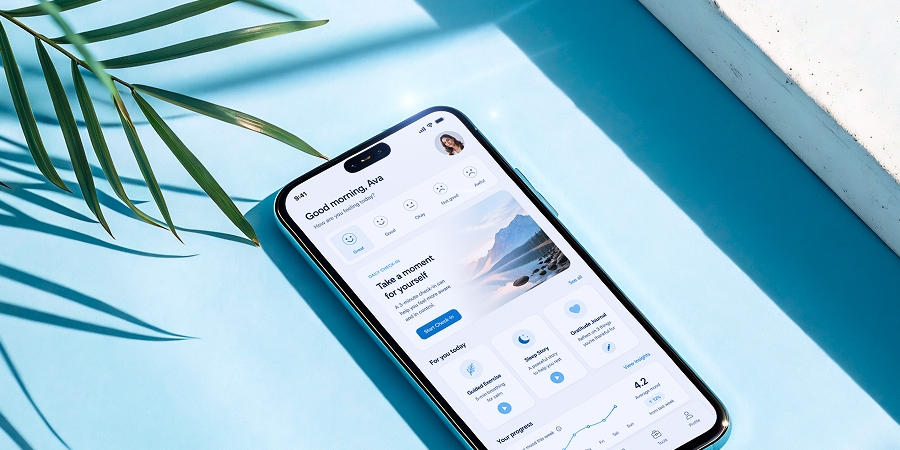

“73% of individuals were offered a patient portal, but only 57% used it.” — National Library of Medicine




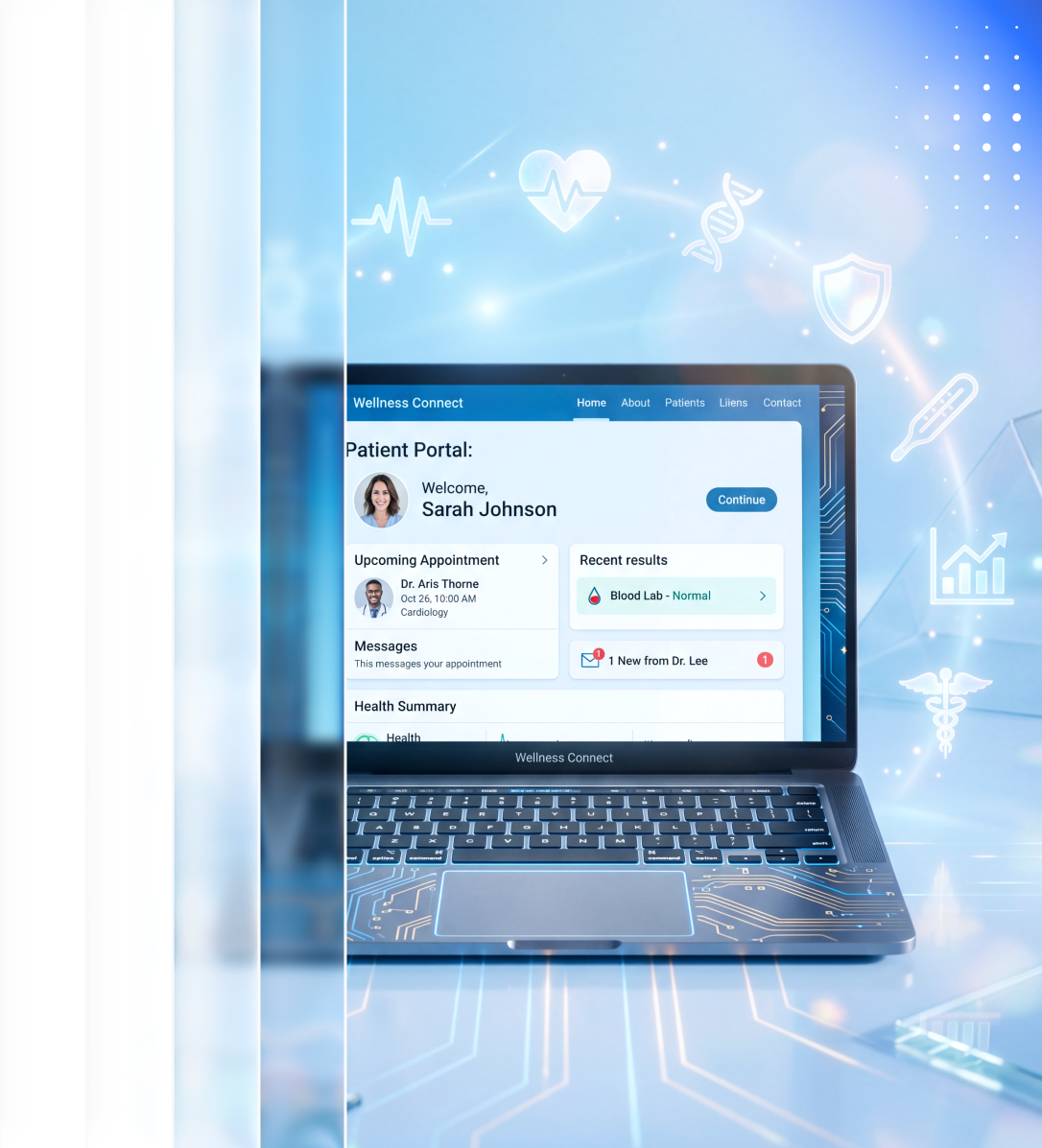
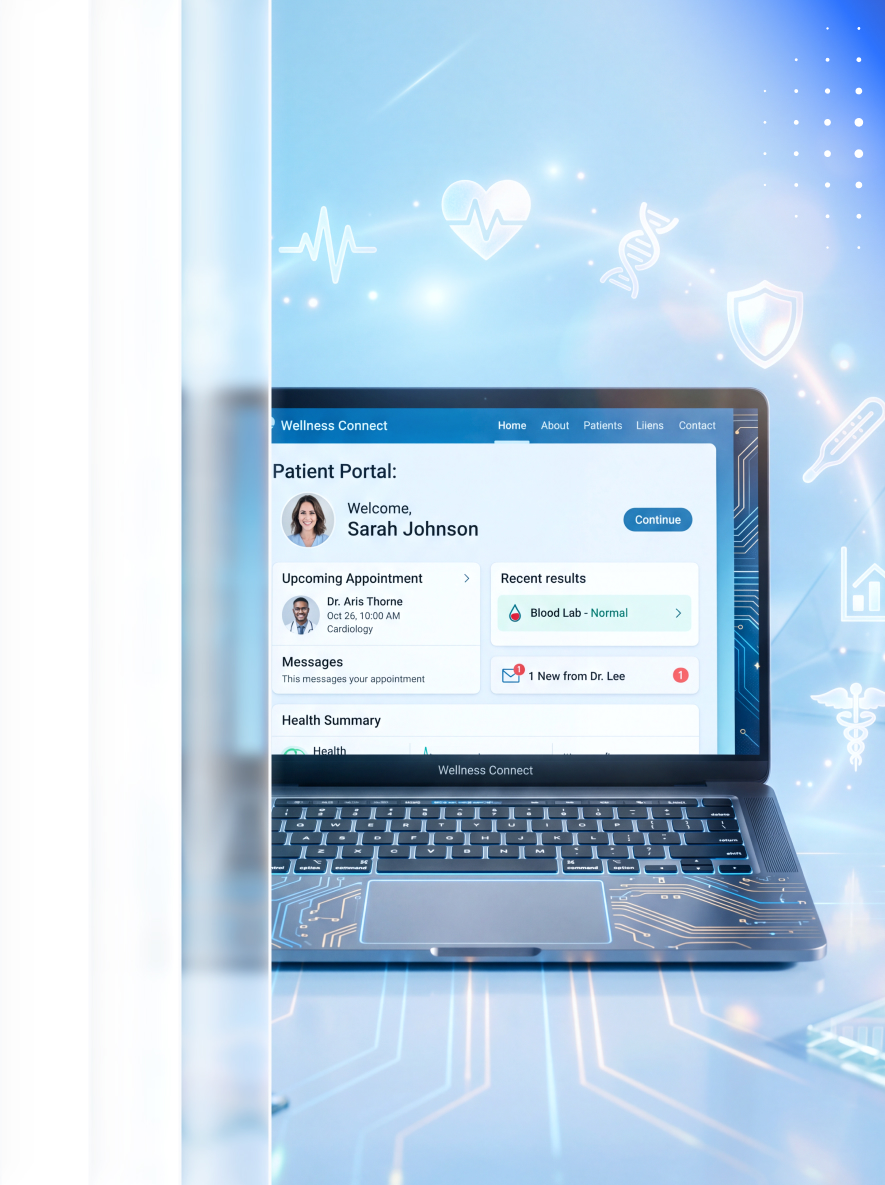
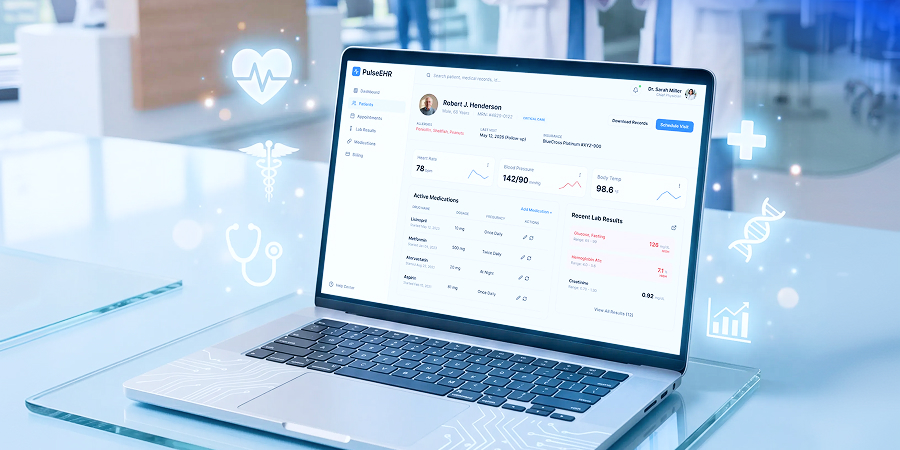
A patient portal that gives access to medical records, clinical notes, and medical history in a view patients understand.
Lab and imaging results delivered to the portal with context, not a bare number a patient cannot read.
Self-service appointment booking and reminders inside the portal, cutting phone volume for staff.
Patient communication with the care team through the portal, with routing so messages reach the right person.
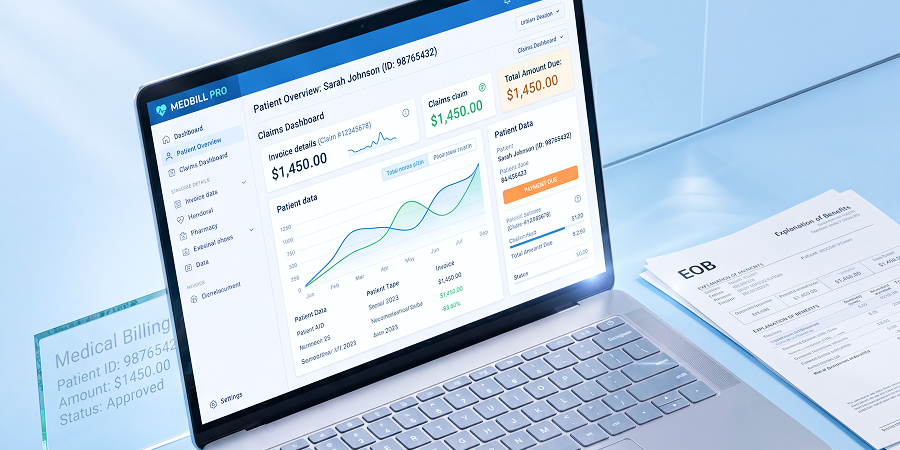
Billing, statements, and online payment in the patient portal, so patients settle balances without a separate call.
Digital intake and patient information captured before the visit, not on a clipboard in the waiting room.
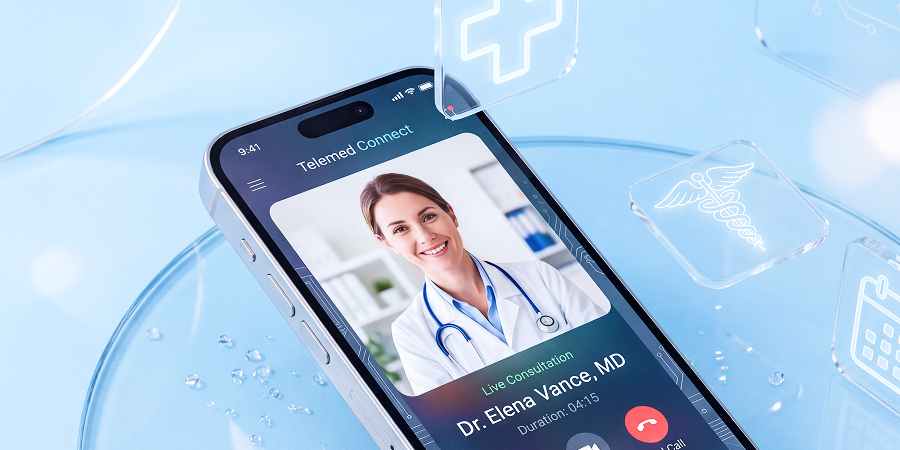
Virtual visits launched from the portal, so a message can become a video visit in one place.
Medication lists and refill requests handled through the patient portal.
Caregiver and family access, so a patient portal serves the person managing care, not only the patient.
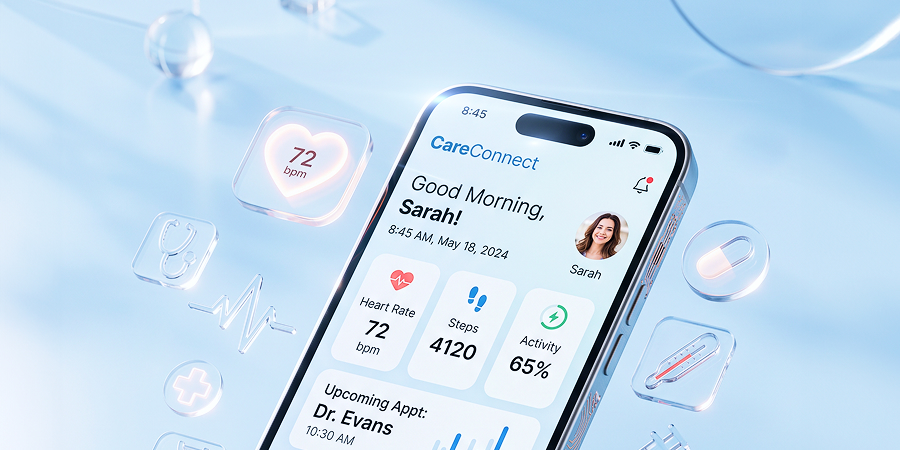
The patient portal delivered as a mobile app, because most patients now reach for a phone first.
Alerts for results, messages, and appointments that bring patients back into the portal.
A patient portal built to accessibility standards, so every patient can use it.




















“Serious privacy concerns nearly doubled, from 35% to 62%, once patients learned federal protections may not cover their health data.” — The Pew Charitable Trusts


















 USA
USA PL
PL UA
UA MX
MX TR
TR
A patient portal is a secure website or app that gives a patient online access to medical records, results, scheduling, secure messaging, and billing. Patient portals connect the patient and provider so care happens in one place rather than by phone and paper.
The key features of patient portals are access to medical records and medical history, lab results, appointment scheduling, secure messaging, billing and payments, and prescription refills. These features of patient portals expand over time to telehealth, intake forms, and proxy access.
The types of patient portals are standalone portals, built separately, and integrated portals tied to the EHR. An integrated patient portal connects more deeply to clinical systems, while a standalone healthcare portal offers more control over design and features.
To build a patient portal that gets used, patient portal design starts from real patients, including older ones, with onboarding, reminders, and results that give patients a reason to return. A patient engagement portal that increases patient engagement is designed for habit, not just features.
To create a patient portal, we start with patient portal requirements and design, then build the portal and integrate the EHR, billing, and clinical systems. The development of a patient portal runs through security validation and a phased launch before it goes live.
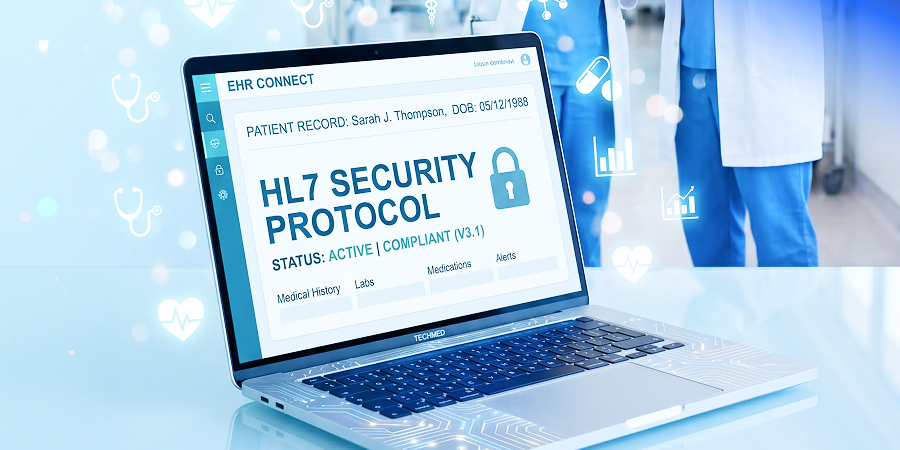
Integration uses FHIR APIs and HL7 interfaces to connect the portal to clinical systems such as Epic and Cerner, surfacing records, results, and billing. Connecting the portal to clinical systems is what turns a shell into a working patient portal.
The bundled portal is included and fast to enable but fixed in workflow and design, while a custom patient portal fits your patients and brand and connects across all your systems. Many organizations build a custom patient portal once the bundled one limits patient experience and patient satisfaction.
HIPAA-compliant patient portals use multi-factor authentication, role-based access, encryption in transit and at rest, and full audit logging to protect sensitive patient data. Security is engineered in from the first line of code, because the portal is a front door to health information.
Patient portal software cost depends on the feature set, the number of integrations, whether you need web and mobile, and the depth of security. The cost of patient portal development is driven most by clinical integration, and a precise development cost estimate follows discovery.
Yes. Billing and revenue features let a patient view statements and pay balances inside the portal, connected to your billing system so the numbers are real. Bringing billing into the patient portal reduces calls and speeds collection.
Yes. We handle patient portal app development alongside a web portal, so patients reach their records on any device. Mobile app development matters because most patients now open a phone before a laptop.
Yes. A mental health patient portal is built for the sensitive information and privacy that behavioral health requires, with access controls and consent handled with extra care. The portal fits the workflow the specialty demands.
Yes. Where an organization runs Salesforce Health Cloud, we connect the patient portal so engagement, outreach, and patient information stay in sync. The integration keeps the portal and CRM as one system rather than two.
The patient portal software development process runs from discovery and requirements through design, build and integration, security validation, and a phased launch. A patient portal development team supports and extends the portal after go-live, so patient portal projects keep improving.
This page works as a short patient portal development guide, but every build differs, so a proper development guide starts from your systems and patients. We turn that into concrete patient portal requirements during discovery.
Patient portal success comes from adoption, not feature count, so a healthcare patient portal has to be easy, fast, and worth returning to. Patient portals must fit real patient behavior, which is why patient portals provide the most value when designed around engagement.
We build custom patient portal solutions and a patient portal system as a service, so you own the result. As a software development vendor and patient portal services partner, we deliver end to end or embed with your team.
As a patient portal development company and software development vendor, we deliver development services end to end, or embed a patient portal development team alongside yours through team extension.