






































Custom healthcare software development
Explore the full healthcare practice, from platforms to compliance work.


Cross-industry engineering experience across regulated and high-growth sectors.
All Industries










“A median of 70% of health app users stop using the app within 100 days.” — Journal of Medical Internet Research




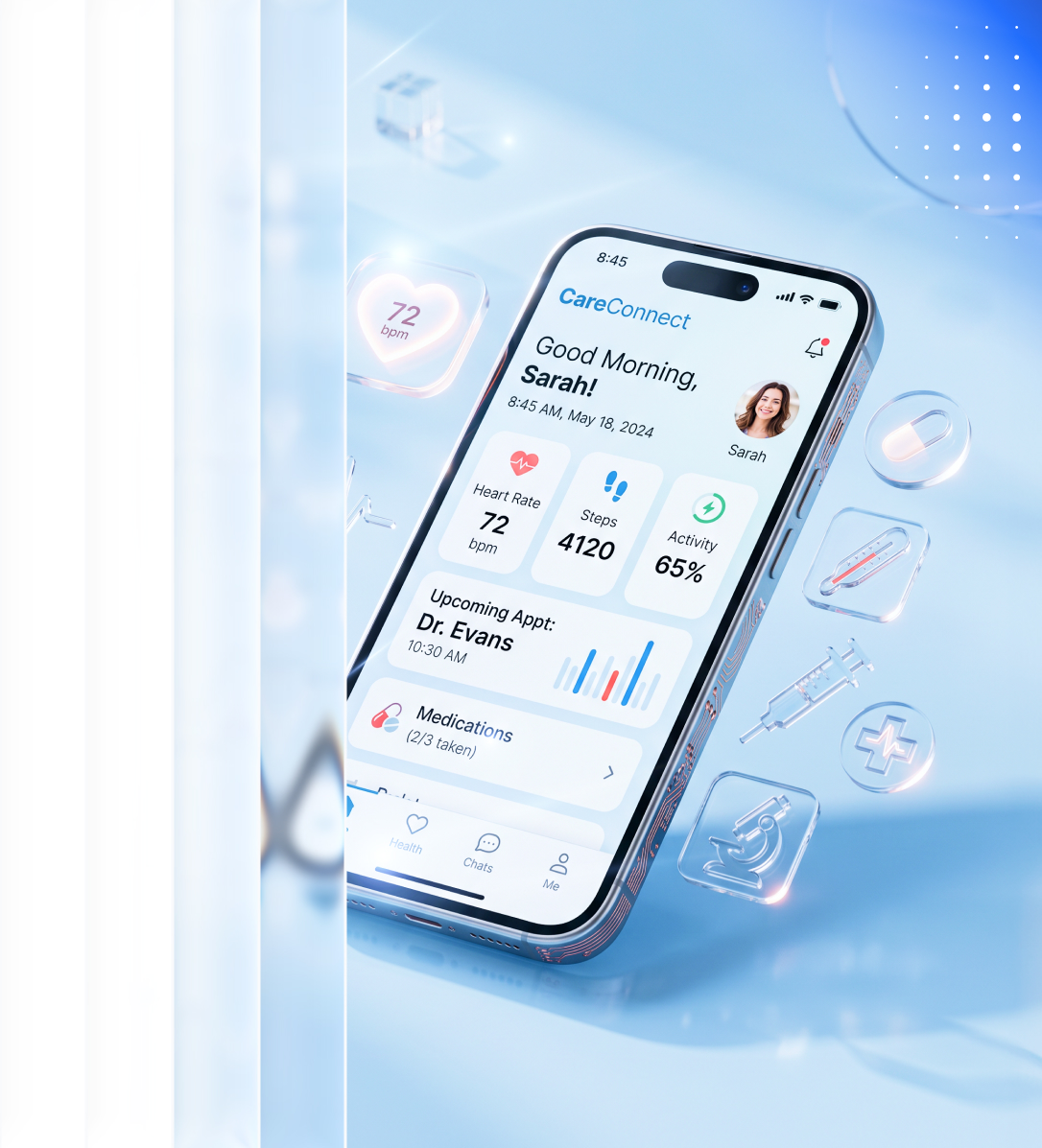
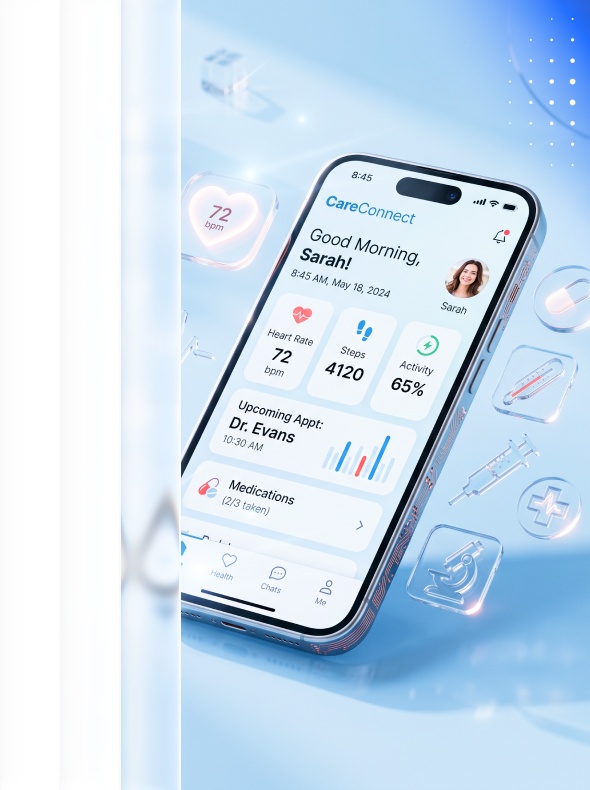
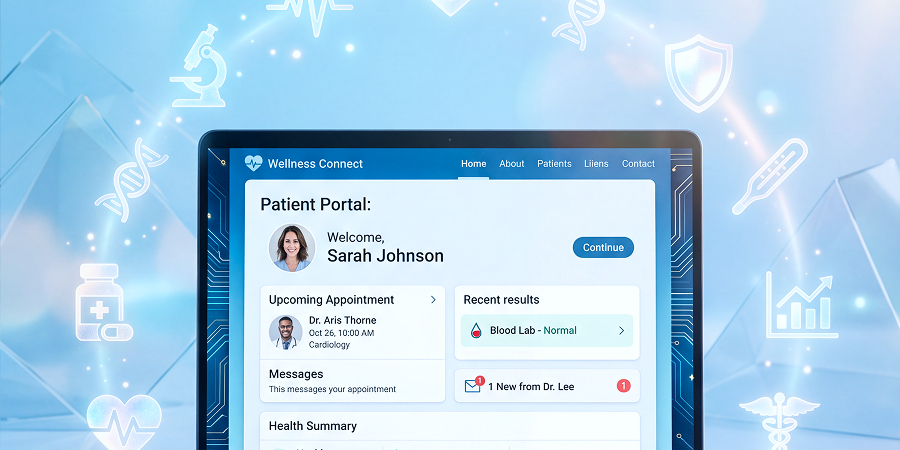
Give patients access to their medical records, plus scheduling and reminders they actually open. Patient-facing healthcare apps win on respect for daily life: booking in seconds, results explained plainly, and secure access from any device. Done right, this is the healthcare solution that cuts call volume and no-shows at once.
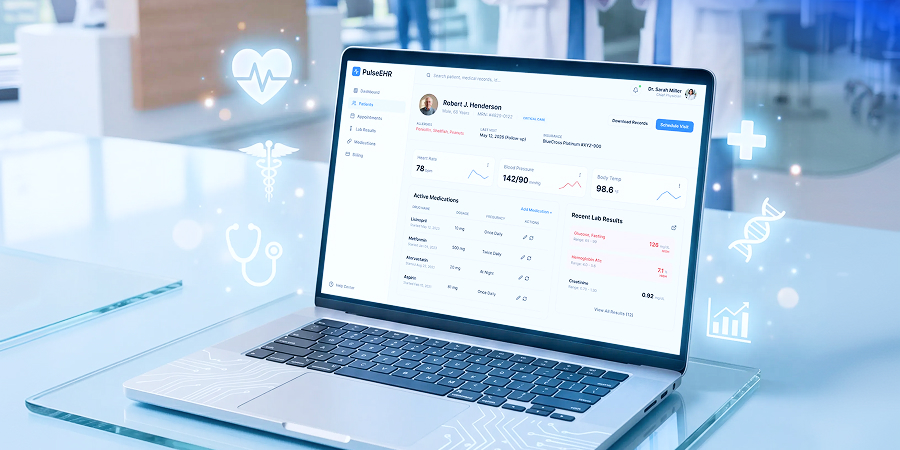
Give clinicians task-first workflows built for the point of care, not repurposed patient screens. Healthcare professionals work in interrupted, hands-busy moments, so our healthcare mobile app developers design for one-handed use, instant load, and offline resilience, a discipline where many healthcare mobile app development companies fall short. The solution pays for itself in minutes saved per encounter.
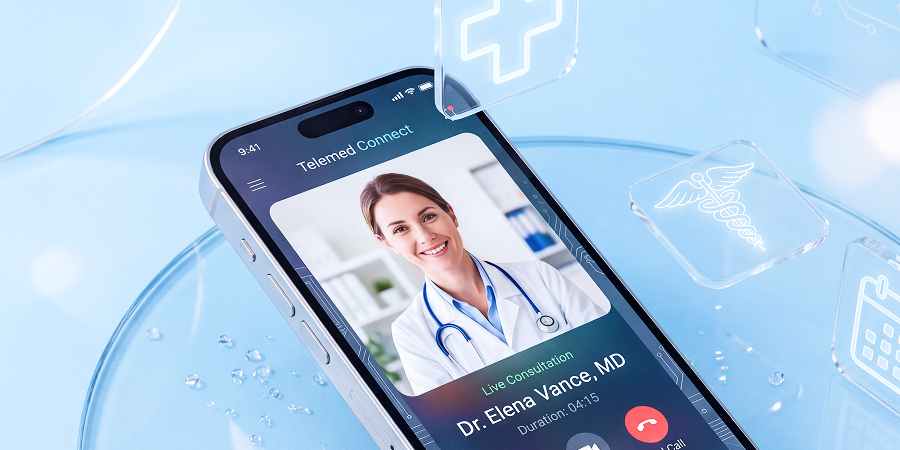
Extend care beyond the clinic with video, triage, and messaging in one flow. Teams that develop a healthcare app for virtual visits need more than a video SDK: scheduling, consent, documentation, and billing connect behind the screen. Across the healthcare industry, telehealth succeeds where the full journey works, not just the call.
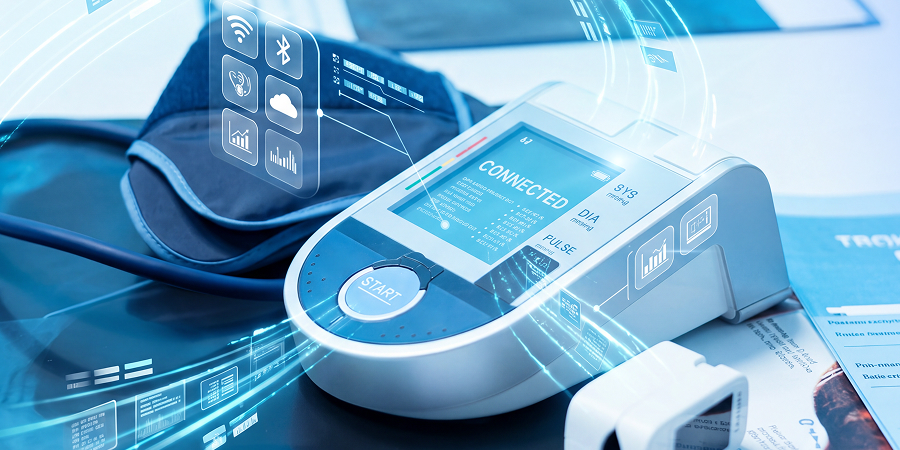
Catch deterioration earlier by turning device data into alerts clinicians can act on. Remote patient monitoring is healthcare application development at its most demanding: readings from every connected sensor validated, filtered through AI-assisted thresholds, and routed as a solution care teams actually trust. Fewer false alarms means real alerts get answered.
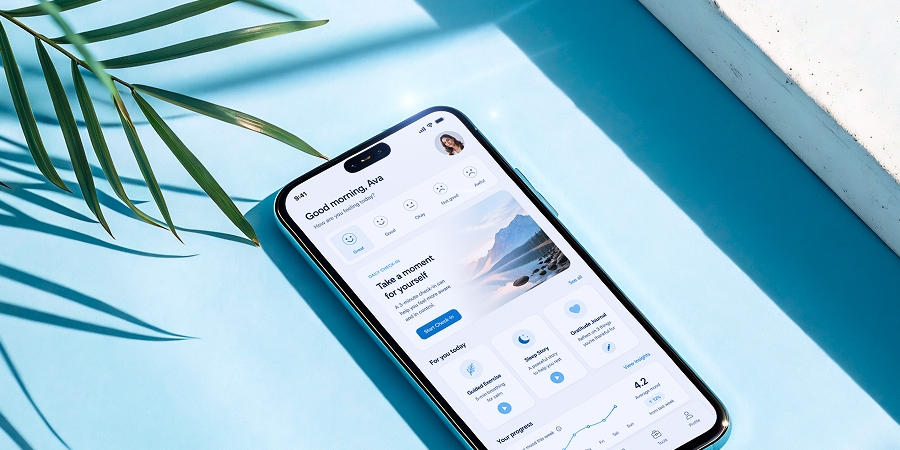
Keep users engaged between visits with tracking, coaching, and health education that sticks. A well-built mHealth app earns its home-screen spot through habit loops and personalization, exactly where most wellness mobile apps lose users within the first month. We design the retention curve before we design the feature list.
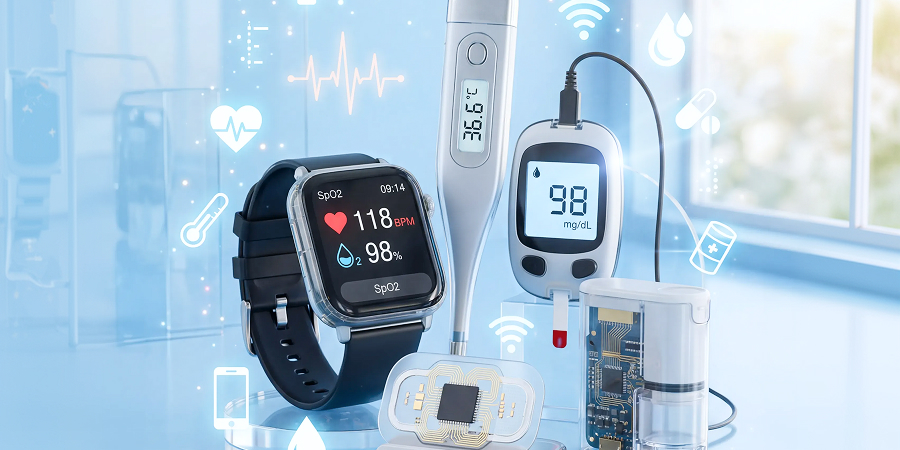
Sync Apple Watch and sensor data through HealthKit and Google Health Connect. When teams create mobile experiences around wearables, the hard part is turning continuous streams into a clinically meaningful solution: trends, baselines, and deviations rather than raw numbers nobody reads. We build that translation layer into the app itself.
Improve adherence with reminders, refills, and e-prescribing that reduce manual errors. Medication-focused medical apps carry real safety weight, so interaction checks, dose logic, and pharmacy connectivity are engineered into the healthcare application rather than approximated. Patients get a simple solution; the system underneath stays rigorous.
Help patients manage long-term conditions with data their care team can see. Chronic care is where complex healthcare meets everyday life, so these healthcare apps combine symptom tracking, care plans, and escalation paths in mobile apps patients keep using for years. Continuity is the feature that matters most.
Deliver sensitive care with privacy, discretion, and crisis pathways engineered in. Mental health is the healthcare domain where trust decides adoption, so consent, anonymity options, and 42 CFR Part 2 handling are part of the solution from the first design session, never bolted on afterward. Users feel the difference immediately.
Put decision support and clinical content in clinicians’ hands at the bedside. Reference tools test expertise in healthcare more than any other category, because accuracy, sourcing, and speed are non-negotiable. Our healthcare app development services treat clinical content pipelines with the same rigor as the mobile apps that carry them.
“88% of mobile health apps can access and potentially share user data.” — The BMJ

































 USA
USA PL
PL UA
UA MX
MX TR
TR
A healthcare mobile app development company designs and builds iOS, Android, and cross-platform apps for patients and clinicians. It also handles healthcare-specific needs like HIPAA compliance, EHR integration, and FDA pathways for apps that qualify as medical devices.
Cost depends on platform, feature scope, and EHR integration depth, so a fixed number before discovery is misleading. Industry estimates for custom healthcare apps commonly range from roughly $80K to $300K or more, and we scope a precise figure after discovery.
Native gives the best performance and full access to HealthKit, Health Connect, and biometric features, while cross-platform shares most code to cut cost and time. Cross-platform suits most healthcare apps; native fits deep device or wearable integration.
We define where protected health information lives, then encrypt it, enforce biometric or multi-factor access, and log every access for audit readiness. Business Associate Agreements cover all vendors, and security testing validates compliance before release.
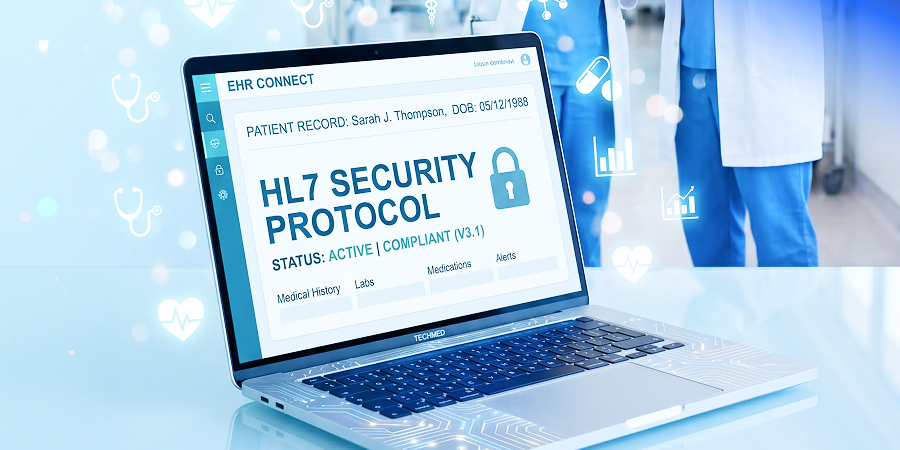
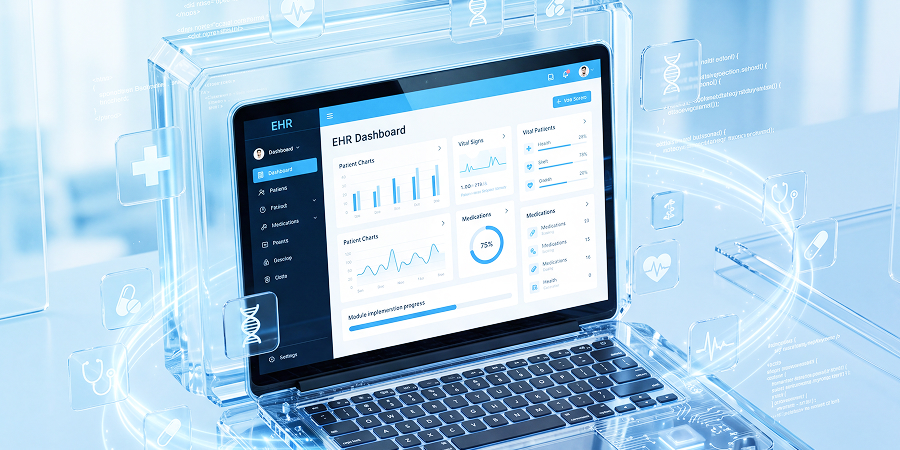
Yes. We connect to Epic, Oracle Cerner, and athenahealth through their FHIR R4 APIs, and build HL7 v2 interfaces with Mirth Connect for older systems. Integration is designed at the start, not added later.
Common types include patient engagement, clinical and provider apps, telehealth, remote patient monitoring, mHealth and wellness, medication management, chronic disease, and mental health apps. Patient-facing and clinician-facing apps need fundamentally different interfaces and workflows.
It depends on function. Apps that diagnose, treat, or prevent disease may qualify as Software as a Medical Device and require clearance, while wellness or scheduling apps generally do not. Classification should happen early in design.
Evaluate public healthcare case studies, real FHIR and EHR experience, and a production track record. The best healthcare app developers show regulated work, not just a portfolio of unrelated apps.