








































Custom healthcare software development
Explore the full healthcare software development practice, from platforms to compliance.


Cross-industry engineering experience across regulated and high-growth sectors.
All Industries












“Of 61.5 million US adults with a mental illness, nearly half received no treatment.” — SAMHSA




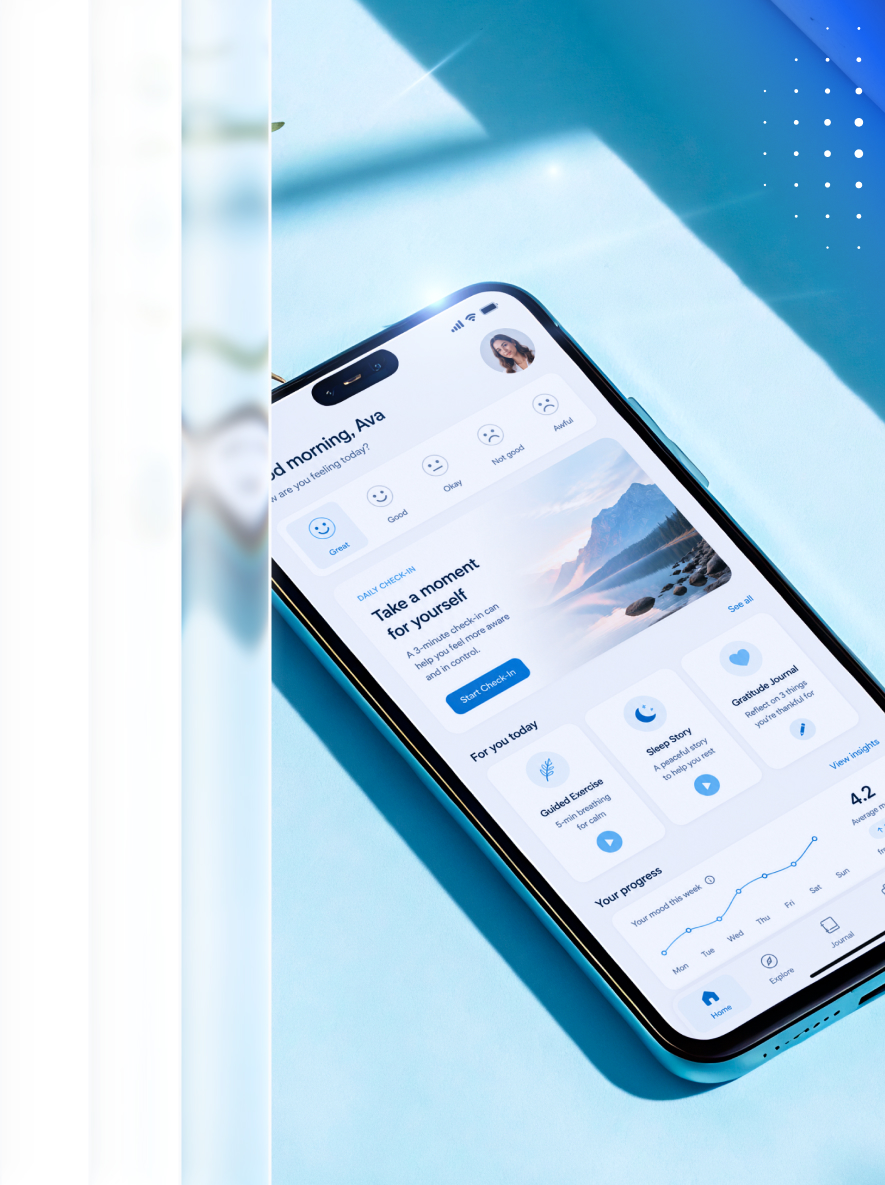
Build therapy, mood tracking, mindfulness, and recovery apps that patients return to over time.
Run clinical documentation, scheduling, and treatment plans in one behavioral health platform.
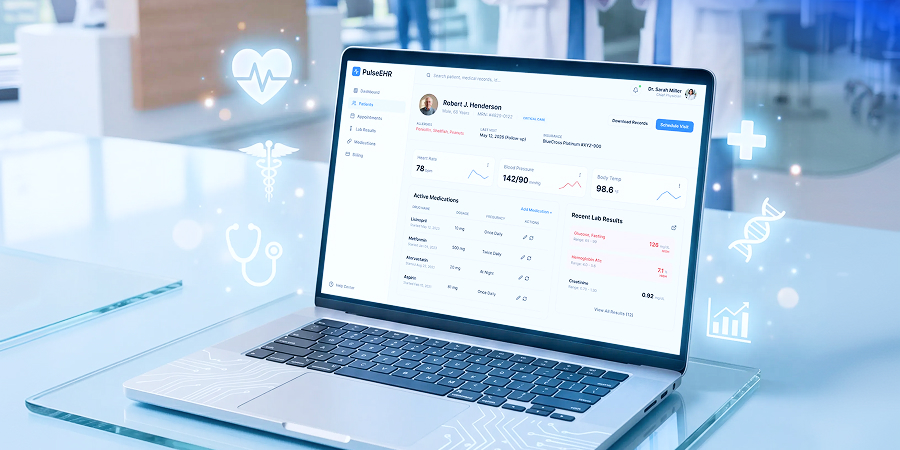
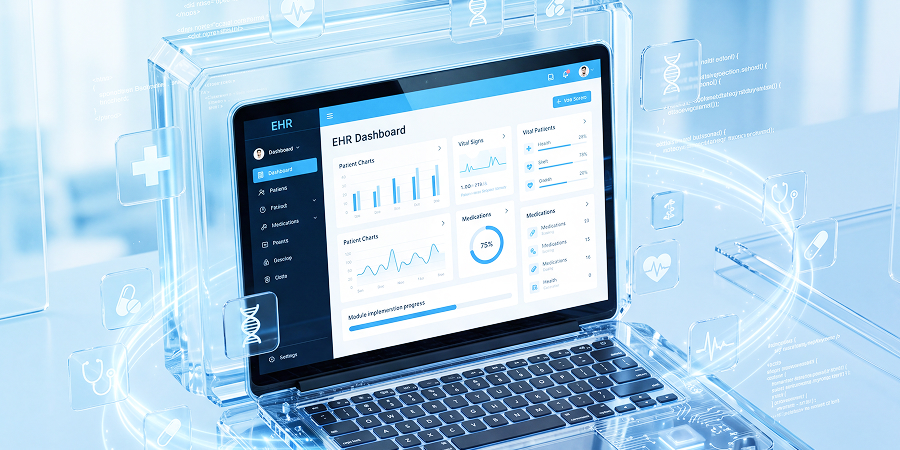
Give providers a behavioral health EHR built for their workflows, not a general medical record.
Develop evidence-based digital therapeutics, with an FDA pathway when they qualify as a medical device.
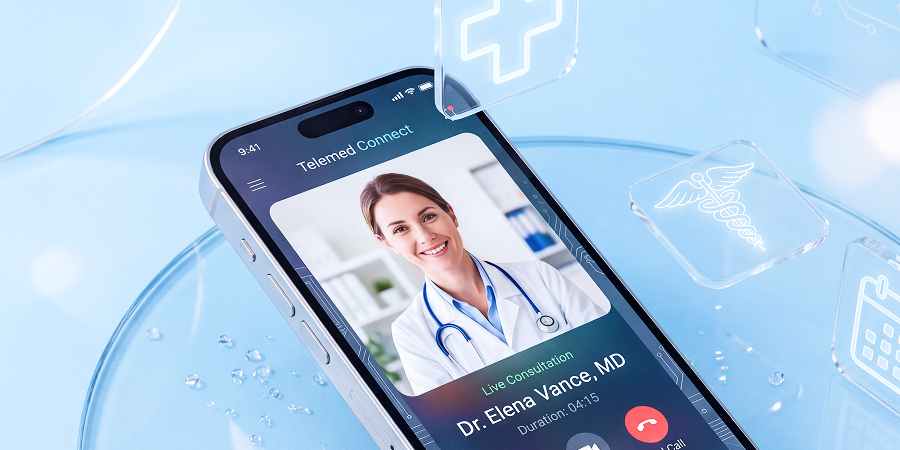
Add secure video, messaging, and scheduling for teletherapy and telepsychiatry.
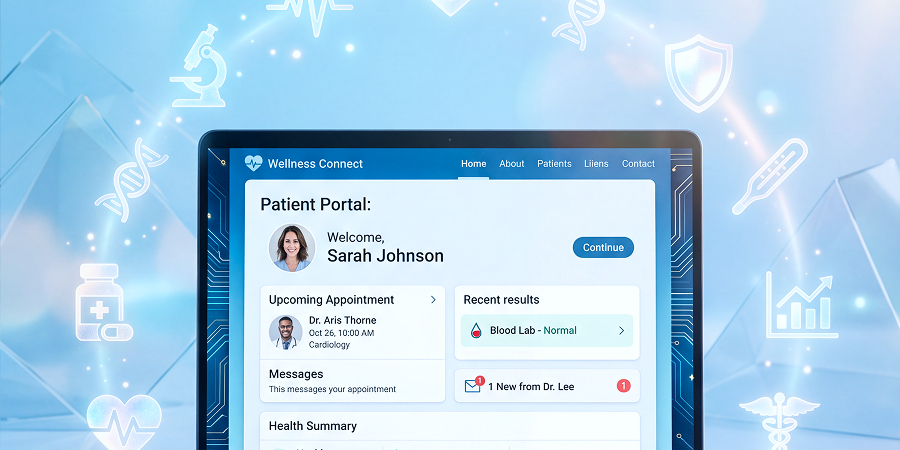
Give clients a secure portal for records, appointments, and self-report assessments.
Handle scheduling, intake, and documentation so clinicians spend less time on admin.
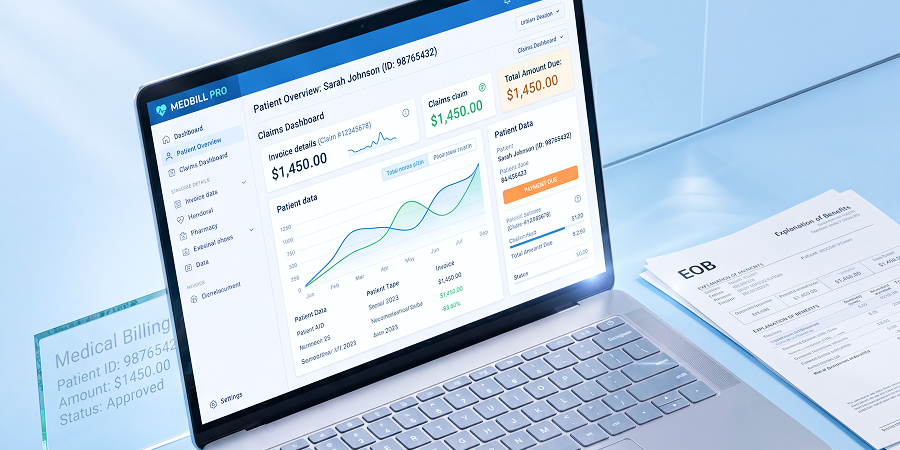
Connect claims and payments so revenue does not stall between care and billing.
Deliver validated assessments and track mental health outcomes across a course of care.
Add AI support that assists clinicians and never replaces clinical judgment.
“Of 36 top mental health apps studied, 29 sent user data to Google or Facebook, but only 12 disclosed it.” — JAMA Network Open



































 USA
USA PL
PL UA
UA MX
MX TR
TR
It ranges from consumer mental health apps for therapy, mood tracking, and mindfulness, to clinical platforms and behavioral health EHRs used by providers, to digital therapeutics that deliver evidence-based treatment. Because it handles sensitive data, it must meet HIPAA and, for substance use records, 42 CFR Part 2.
A mental health app is usually a consumer product focused on one experience, such as therapy exercises or mood tracking. A behavioral health platform is a clinical system providers use to run care, and many organizations need both, connected together.
It is a US rule that protects the confidentiality of substance use treatment records, and it is stricter than HIPAA. Software serving addiction or substance use care needs consent management, record segmentation, and disclosure tracking built in from the start.
Digital therapeutics are software that delivers an evidence-based therapeutic intervention to treat or manage a condition. When a digital therapeutic makes a medical claim, it can qualify as Software as a Medical Device and require an FDA pathway.
It means using standardized assessments, such as the PHQ-9 and GAD-7, to track progress and guide treatment. Software delivers and scores these instruments and shows trends over time, turning check-ins into consistent data.
Yes. Teletherapy is built with secure video, messaging, scheduling, and documentation, integrated with the behavioral health record. It is designed for privacy under HIPAA and, for substance use services, 42 CFR Part 2.
The cost of mental health app development depends on whether you build a focused app, a full platform, or a regulated digital therapeutic, along with feature count, integrations, AI depth, and compliance scope. A precise estimate follows a discovery phase that maps your users and requirements.
Protected health information is encrypted, access is role-based and audit-logged, and authentication is strong. For substance use data, 42 CFR Part 2 adds consent management and disclosure controls, and compliance is verified through testing rather than assumed.