



















Remote Patient Monitoring Software Development

Care That Reaches Past the Clinic
Custom RPM and Remote Therapeutic Monitoring (RTM) platforms — device-agnostic data capture from wearables and connected devices, clinician dashboards, real-time alerts, EHR integration via FHIR, and CMS reimbursement capture.
 Reliable partner
Reliable partner
Experienced team
Experienced team
Smart solutions
Smart solutions
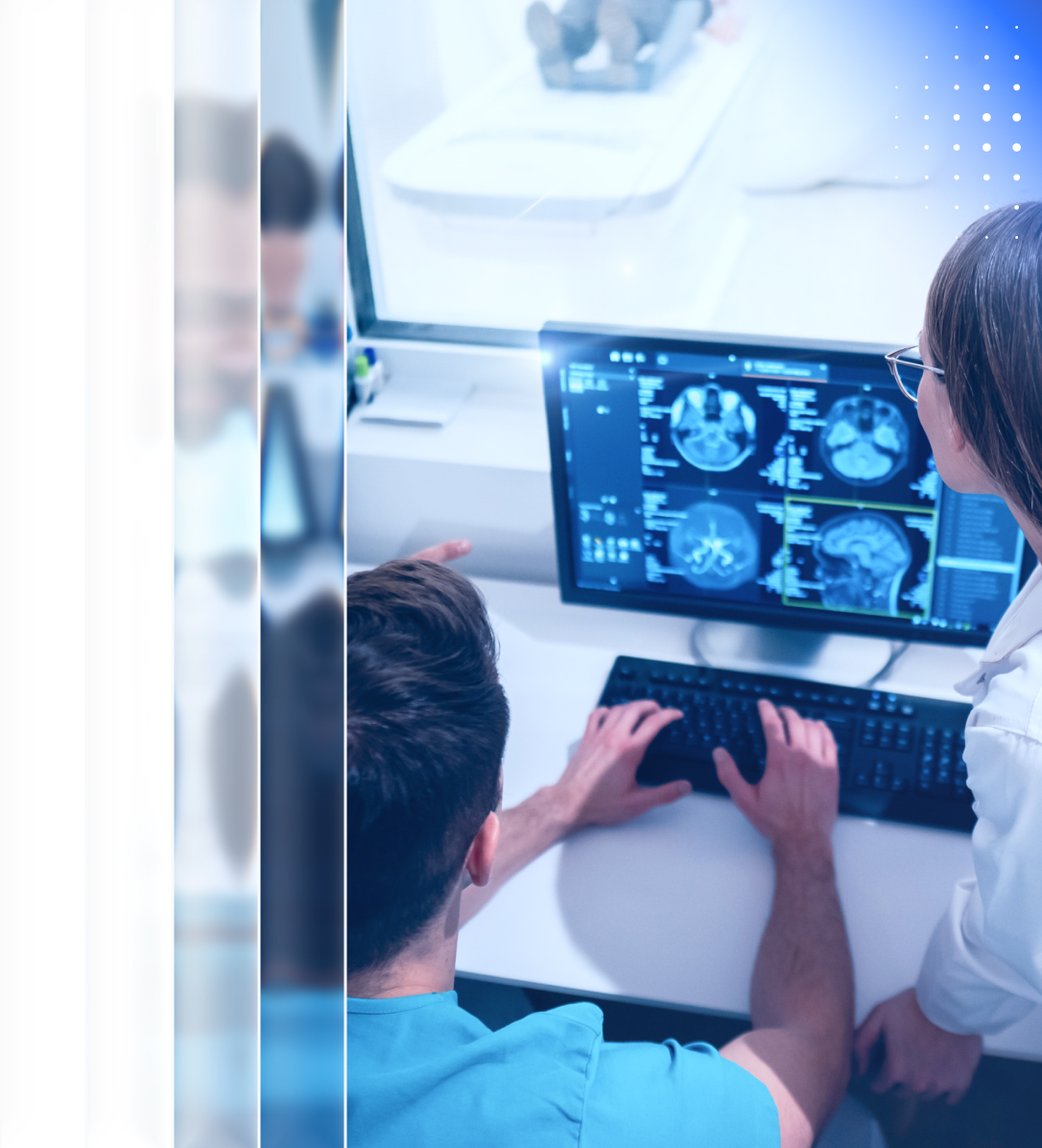
Medical Imaging Software Development 1920
Medical Imaging Software Development 1440

Industry Leaders We Work With

Related Healthcare Services

Explore the Wider Healthcare Practice

An RPM platform connects to the devices, records, and clinical systems around it, so these related healthcare services cover what your program depends on.

“About 6 in 10 US adults live with a chronic disease, roughly 194 million people.” — CDC

Chronic conditions are managed between visits, not during them, so remote patient monitoring extends care into the weeks a clinician never sees.
The Basics

What Remote Patient Monitoring Software Is

Remote patient monitoring software, or RPM software, collects patient health data from devices at home and delivers it to the care team, so a clinician can act between visits.
The device layer

The device layer

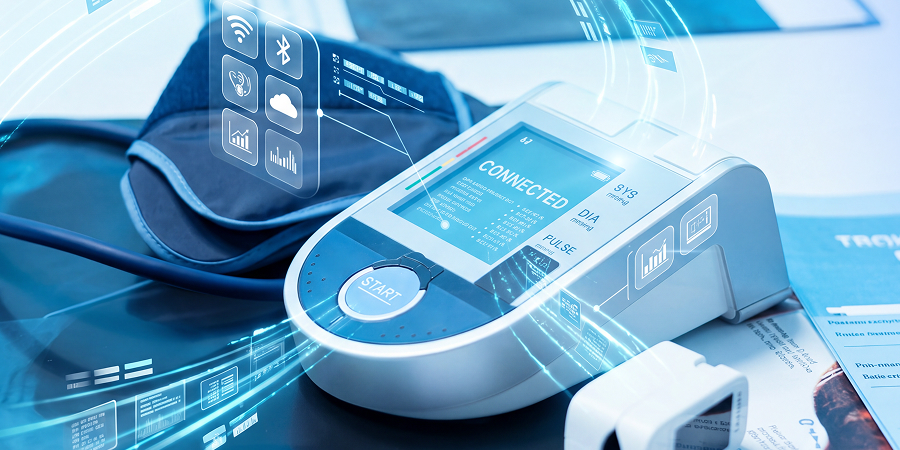
Each connected monitoring device, from a blood-pressure cuff to a glucose meter, captures a vital sign and sends patient readings without the patient entering anything by hand.
The platform layer

The platform layer

An RPM platform ingests patient data across devices, stores it securely, and turns a stream of readings into something a clinician can read at a glance.
The clinical layer

The clinical layer

Alerts and thresholds route the right patient to the right clinician, so a care team can monitor patient panels rather than chase every reading.
Beyond RPM hardware

Beyond RPM hardware

The connectivity and edge mechanics live in our healthcare IoT practice. This page is about the RPM software, workflow, and reimbursement built on top.
Zoolatech quickly delivers senior engineers through rigorous multi-stage screening and global sourcing, ensuring only high-performing, project-ready talent joins your team.

1 month

To fill a position

60%

Senior developers

1M

Global talent pool
What We Build

Remote Patient Monitoring Solutions We Build

Custom remote patient monitoring software, built as a platform you own rather than a closed product you rent. Each piece below is engineered for your devices, your care model, and your reimbursement.
98%

98%

Client Retention Rate
300+

300+

Successful Projects

RPM platform

The core RPM platform that ingests, stores, and routes patient readings from every connected device.

Patient app

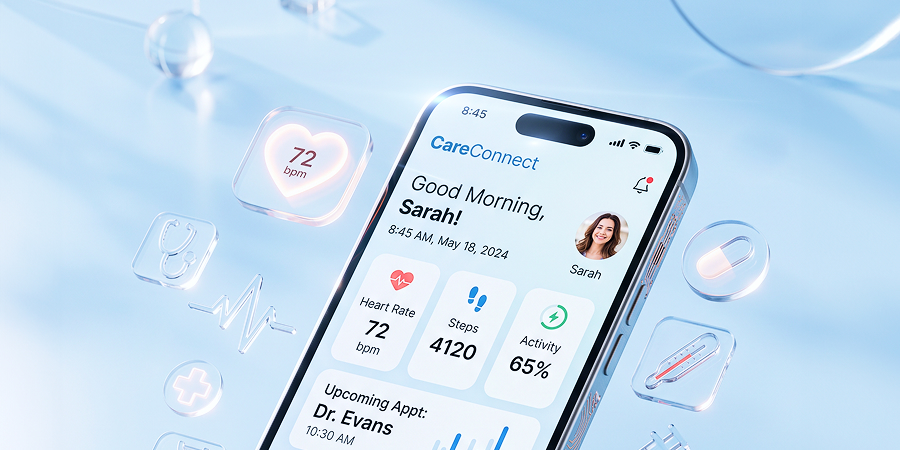
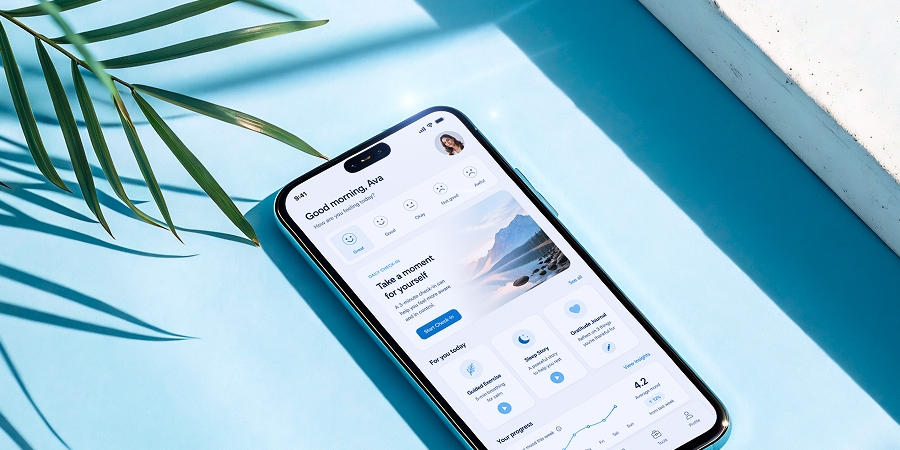
A remote patient monitoring app that keeps patients engaged, with patient onboarding simple enough for older users.

Clinician dashboard

A dashboard where the care team sees a panel by risk, not a flat list of every patient reading.

Device integration

Device-agnostic integration so every patient monitoring device from any vendor feeds one platform.

Alerting and triage

Real-time threshold and trend alerts tuned to cut noise, so a clinician sees the readings that matter.

Reimbursement tracking

Time and reading capture that supports RPM billing without staff logging it by hand.

Telehealth

Telehealth built in, so a concerning reading becomes a video visit without switching tools.

Analytics

Analytics on monitoring data across the population, for patient outcomes and program performance.

EHR integration

Readings and alerts written back to the EHR, so RPM lives in the clinical record.

Patient portal

Patient portals that let patients see their own readings and stay in the loop.

Custom RPM modules

Custom RPM software for a specific program, from diabetes monitoring to post-discharge care.

Managed delivery

The whole RPM development program run as managed delivery, team extension, or a dedicated team.

Build or Buy

Own the Platform or Rent One

Off-the-shelf RPM products start fast but cap what your program can become, so the choice is really about ownership.
Rent a product

Rent a product

A packaged RPM vendor gets you live quickly, but locks you to their devices, their workflow, and a per-patient fee that grows with your program.
  • Fast to start
  • Fixed device list
  • Their workflow, not yours
  • Recurring per-patient cost
Build custom

Build custom

A custom RPM solution fits your devices, your care model, and your EHR, and the platform is yours as the program scales.
  • Any device
  • Your workflow
  • Deep EHR integration
  •  You own the platform
Testimonials

What Our Customers Say

“In the case of Zoolatech, it's a very tight partnership.
The team at Zoolatech is incredibly collaborative, and we work as a team despite being thousands of miles away from each other.”
Spencer Rascoff
CEO Match Group
5/5
“Zoolatech has been a key technology partner for Pandora,
enhancing our software development and deployment capabilities. They're ambitious, supportive, fast-moving, and well-skilled, with sound ethical values.”
Erika Romsics
Contract and Vendor Manager, Pandora
erica
5/5
“The apps they’ve developed give us the opportunity to get more customers.
We’re providing more services to target big customers. We can install jobs faster and identify reduce bottlenecks, so we’re providing a better customer experience.”
Aida Youssef
Senior Director of Software Engineering, Complete Solaria
5/5
“Zoolatech has access to a deep talent pool and knows how to identify client's needs.
With the help of Zoolatech, went from a very early and incomplete prototype to the MVP release, the first production release, and the first paying customer!”
Greg Wagenhoffer
CEO, GreenVisr
5/5
“Zoolatech enabled us to build a world-class engineering team quickly and efficiently.
Zoolatech's pre-screening process and engineer training are customized for providing effective engineers that can contribute immediately to accelerating product roadmaps.”
Shariq Minhas
CTO, SVSG
5/5
“We can recommend Zoolatech
for their talent pool, attention, ability to understand our requirements, candidate screening process and constant communication.”
Chaitanya Pallapothula
SVP, Tailored Brands, Inc.
5/5
“Zoolatech’s developers quickly became an integral part of our team effort
with whom we shared daily stand up calls. Overall, Zoolatech fit well with our needs for agile development and continued to adapt as our needs evolved.”
Forrest Glick
UX Designer, Stanford University
5/5
“Working with Zoolatech has been a driving force in our business offerings.
The team utilizes it's experience and expertise meshing with our internal team creating a positive work environment. Zoolatech is by far one of the best teams to work with in the industry.”
Kris Naidu
CEO, Zeacon
Kris Naidu CEO, Zeacon
5/5
Services

RPM Software Development Services

The full range of remote patient monitoring software development services, under one team.
Custom development

Build the platform

  • Custom remote patient monitoring software development end to end
  • An RPM platform architected for scale and security
  • Custom RPM software for your specific care program
  • A development team experienced in regulated healthcare software
App development

Patient and clinician

  • Remote patient monitoring app development for iOS and Android
  • Patient onboarding designed for low-tech and older users
  • A clinician dashboard that shows a panel by risk
  • Accessibility built in, because patients skew older
Integration

Devices and records

  • Device integration across every connected monitoring device
  • EHR integration through HL7 and FHIR
  • Billing and claims connected to reimbursement
  • Patient data across devices unified into one record
AI and analytics

Make readings useful

  • AI triage that reduces false alerts on the vitals stream
  • Trend and deterioration detection across patient readings
  • Analytics on monitoring data for outcomes and performance
  • Governed AI, documented and monitored
QA and compliance

Prove it is safe

  • HIPAA security validation before go-live
  • Testing across devices, app, and platform
  • Audit logging and access controls verified
  • Continuous delivery suited to healthcare release cycles
Workflow

Built Into the Clinical Workflow

An RPM program lives or dies on workflow, because a platform that buries a clinician in alerts gets switched off within a month. We design the workflow first, then the software around it.
Alert triage
Care-team routing
EHR write-back
Alert-fatigue control

Signal, not noise

Raw thresholds generate alerts no one can keep up with, so triage decides what actually reaches a clinician.
  • Smart thresholds: real-time alerts tuned per patient and trend, not a single limit applied to everyone.
  • Escalation: alerts route to the right care-team member by severity, with acknowledgement tracked.
Image slot 400

The right person

RPM is a team activity, so the workflow reflects who does what across a patient panel.
  • Roles: nurses, care managers, and physicians each see the queue and readings meant for them.
  • Panels: a care team can monitor patient panels of hundreds by exception, not one chart at a time.
Image slot 400

One record

Readings and alerts belong in the EHR, not a separate screen a clinician has to remember to open.
  • HL7 and FHIR: monitoring data written back to the clinical record through standards.
  • Context: alerts arrive with the patient history a clinician needs to act, not a bare number.
Image slot 400

Keep it trusted

Once a clinician stops trusting alerts, the program is over, so reducing false alarms is a first-order design goal.
  • Suppression: duplicate and self-resolving alerts collapsed before they reach anyone.
  • Tuning: alert performance reviewed with the care team and adjusted as the panel changes.
Image slot 400

“An estimated 85% to 99% of clinical alarms are false or clinically insignificant.” — The Joint Commission

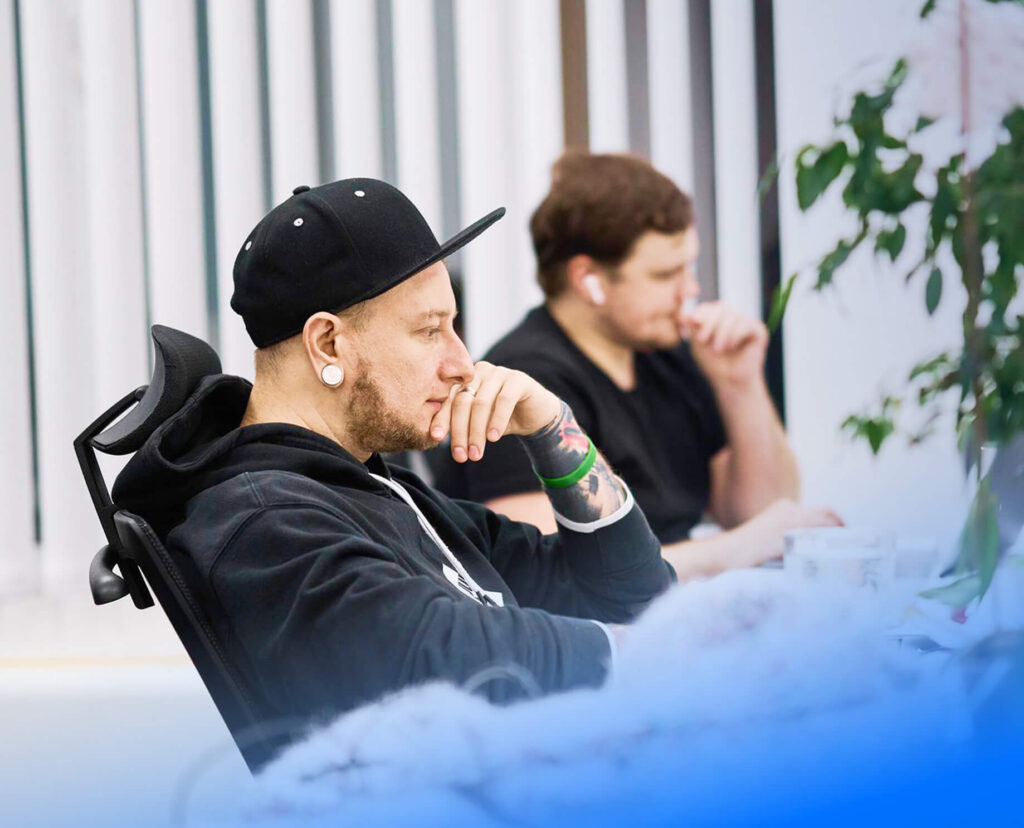
A clinician stops trusting a system that cries wolf, so we treat cutting false alerts as core engineering, not a setting to adjust later.
Device Integration

Any Device, One Platform

An RPM program fails when it is locked to one vendor's kit, so we build device-agnostic integration from the start.
01

Bring your own device

Patients use devices they already own or ones you ship, and the RPM platform normalizes patient readings from every monitoring device into one format.
02

Cellular and Bluetooth

Cellular-connected devices for patients without Wi-Fi, and Bluetooth devices paired through the app, so connectivity is never the reason a reading is missed.
03

Any vital sign

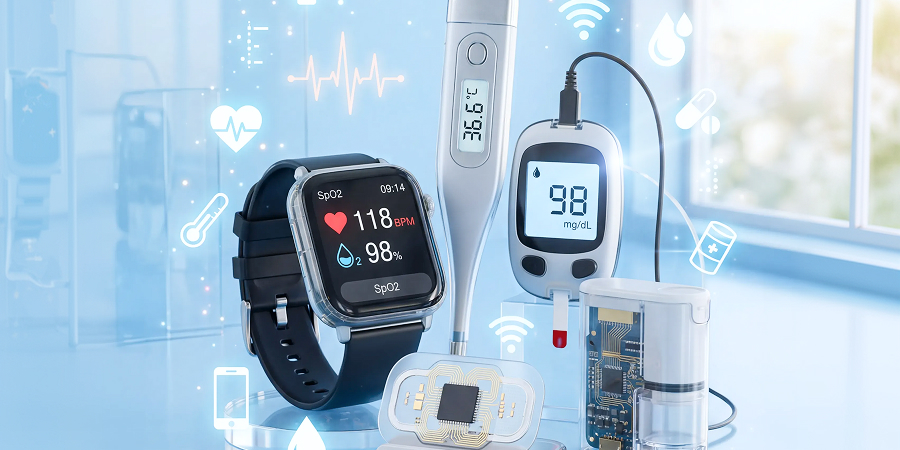
Blood pressure, glucose, weight, and pulse oximetry, so a single platform covers every vital sign a chronic-care program tracks.
04

The hardware layer

For device firmware, edge, and connectivity engineering, we draw on our healthcare IoT and medical device practices rather than reinventing them here.
Reimbursement

Built to Capture Reimbursement

RPM only sustains itself if the program can bill for it, so the software captures what reimbursement requires as a byproduct of care, not extra admin.

Time and readings

Reimbursement depends on tracked device readings and documented care time each month, so the platform records both automatically as clinicians work rather than logging monitoring tasks by hand. Clinical monitoring time is captured as it happens.

Per patient per month

RPM reimbursement is measured per patient per month, so the software surfaces which patients have met reading and time thresholds and which are at risk of falling short.

Audit-ready records

Every billable reading and minute carries a timestamped, auditable trail, so the program can support its claims without reconstructing them. We build the capture, not the billing advice.
AI and ML

AI on the Vitals Stream

The value of AI in RPM is not more alerts, it is fewer and better ones, so we apply it to the stream of patient readings where it earns its place.
False-alarm reduction

False-alarm reduction

AI models separate real signals from noise, so a clinician sees the readings that matter instead of drowning in them.
Trend detection

Trend detection

Gradual deterioration that a single threshold misses shows up as a trend across a patient's readings over time.
Risk prioritization

Risk prioritization

The care team's queue is ordered by who needs attention now, turning a panel into a worklist.
Predictive alerts

Predictive alerts

Early signals of decompensation surface before a threshold is crossed, so a clinician can act sooner.
Governed by design

Governed by design

AI models are documented, monitored, and kept under human oversight, because a missed alert is a safety event.
Compliance

Compliance and Security

RPM moves protected health data between the home, the cloud, and the clinic, so security and compliance are engineered into every hop.
HIPAA
Data across devices
Consent
Device data

The baseline

Protected health information is encrypted and access-controlled from the device through to the clinician view, so HIPAA compliance holds end to end.
  • Encryption: patient data encrypted in transit and at rest, from device to platform to EHR.
  • Access: role-based access and audit logging across the care team and the platform.

One patient, many sources

Readings arrive from many devices, and the platform has to keep them tied to the right patient.
  • Identity: patient data across devices reconciled to one record without mismatches.
  • Integrity: each reading validated so a bad sensor does not trigger a false clinical response.

Patient agreement

RPM requires patient consent, and the software records and honors it.
  • Capture: consent recorded at onboarding and revocable by the patient.
  • Scope: data use limited to what the patient agreed to and the program needs.

Trust the reading

A clinical decision rests on the reading, so the platform tracks where each one came from.
  • Provenance: every reading traceable to its monitoring device and time.
  • Security: each connected monitoring device authenticated so no rogue source feeds the record.
Image abstract 1 368
Who We Build For

Built for Every RPM Program

A health system, a digital-health vendor, and a specialty clinic all run RPM, and each needs the software to fit a different model and set of conditions.
Health systems and providers

Health systems and providers

Hospitals and healthcare providers launch an RPM program that integrates with their EHR and lets a care team manage chronic patients at scale.
RPM and digital-health vendors

RPM and digital-health vendors

A digital-health or RPM company builds the platform behind its product, so it owns the platform rather than reselling someone else's.
Medical device and medtech

Medical device and medtech

A device maker gets companion software and a clinical portal, so each connected monitoring device delivers data providers can act on.
Chronic care programs

Chronic care programs

Hypertension, heart failure, and COPD teams use continuous monitoring for chronic disease management, catching deterioration between visits.
Diabetes and metabolic

Diabetes and metabolic

A diabetes monitoring program brings glucose and weight readings into one view, so the care team acts on trends rather than single numbers.
Post-acute and specialty

Post-acute and specialty

Post-discharge and cardiac programs get remote patient monitoring solutions tailored to the vitals and remote care their patients need.
How We Work

From Care Model to Live Program

An RPM program is a clinical service, not just an app, so we build it in stages that get you to a live, billable program rather than a demo.
Step 1

Discovery

We map your care model, target conditions, devices, EHR, and how reimbursement works for your program. This is where the clinical workflow and the software scope take shape together, so neither is designed in isolation.
Step 2

Workflow design

We design the care-team workflow, alerting, and escalation before the build, because the workflow is what determines whether a clinician actually uses the platform. Getting this right is the difference between a program that scales and one that stalls.
Step 3

Build and integrate

We build the platform, patient app, and clinician dashboard, and integrate devices, the EHR, and billing. Each piece is demonstrable as it lands, so the care team shapes it while changes are still cheap.
Step 4

Validate and secure

We test across devices, app, and platform, validate HIPAA controls, and confirm readings flow accurately end to end. A monitoring program cannot ship on a reading it cannot trust.
Step 5

Launch

We roll out with patient onboarding and care-team training, starting with a pilot cohort before scaling the panel. Adoption is measured on both sides, patient and clinician.
Step 6

Scale and support

We add devices, conditions, and AI as the program grows, and support it in production. RPM is a long-running service, so the work continues past launch.
Technology Stack

The RPM Technology Stack

The stack decides how reliably readings arrive and how far the platform scales across a growing panel.
Swift
Swift
Kotlin
Kotlin
React Native
React Native
Node.js
Node.js
Python
Python
PostgreSQL
PostgreSQL
Apache Kafka
Apache Kafka
AWS
AWS
Azure
Azure
SQL
SQL
FHIR
FHIR
HL7
HL7
Apple HealthKit
Apple HealthKit
and other
Cost Factors

What Drives Cost and Timeline

The cost of remote patient monitoring software development tracks the number of devices, integrations, and the depth of the clinical workflow.

Devices and integration

Supporting many device types adds more custom development than a single device, and device integration is the driver that separates small and large development projects. Device-agnostic integration pays back as the program grows.

EHR and billing

EHR write-back and reimbursement tracking each add scope, and an installed EHR shapes the work as much as the feature list.

Workflow and AI

Alert triage, care-team routing, and AI on the vitals stream are where much of the value and the effort sit.

Scale and ownership

A custom platform costs more up front than renting, but avoids a per-patient fee that grows forever. A precise estimate follows discovery.
Our Approach

Engineering the Whole Program, Not Just the App

What separates us from other RPM software development companies is engineering across the device, the workflow, and the reimbursement, not just the app.
check icon

Device-agnostic

We integrate every connected monitoring device from any vendor, so your program is never trapped by one manufacturer's hardware.
check icon

Workflow-first

We design the clinical workflow before the software, because alert fatigue, not features, is what kills an RPM program.
check icon

Reimbursement-aware

We build the time and reading capture that RPM billing depends on, so the program can sustain itself.
check icon

AI that reduces noise

Our AI work targets fewer, better alerts, governed and monitored, rather than another dashboard of numbers.
check icon

Real integration depth

HL7, FHIR, and device integration are core healthcare work here, so we deliver RPM software and healthcare platforms where data reaches the EHR and the care team cleanly.
check icon

You own it

We build a platform you own, so you are not renting your own patient program back at a per-patient rate.
check icon

Senior-heavy delivery

A senior team that has delivered 300+ projects since 2017, with 600+ engineers and 96% client satisfaction, focused on patient outcomes and sized to your program.
check icon

Near and offshore

A Miami HQ with delivery centers in Poland, Ukraine, Mexico, and Turkey, run as managed delivery, team extension, or a dedicated center.
Why Choose Us

Why Businesses Trust Us

logo
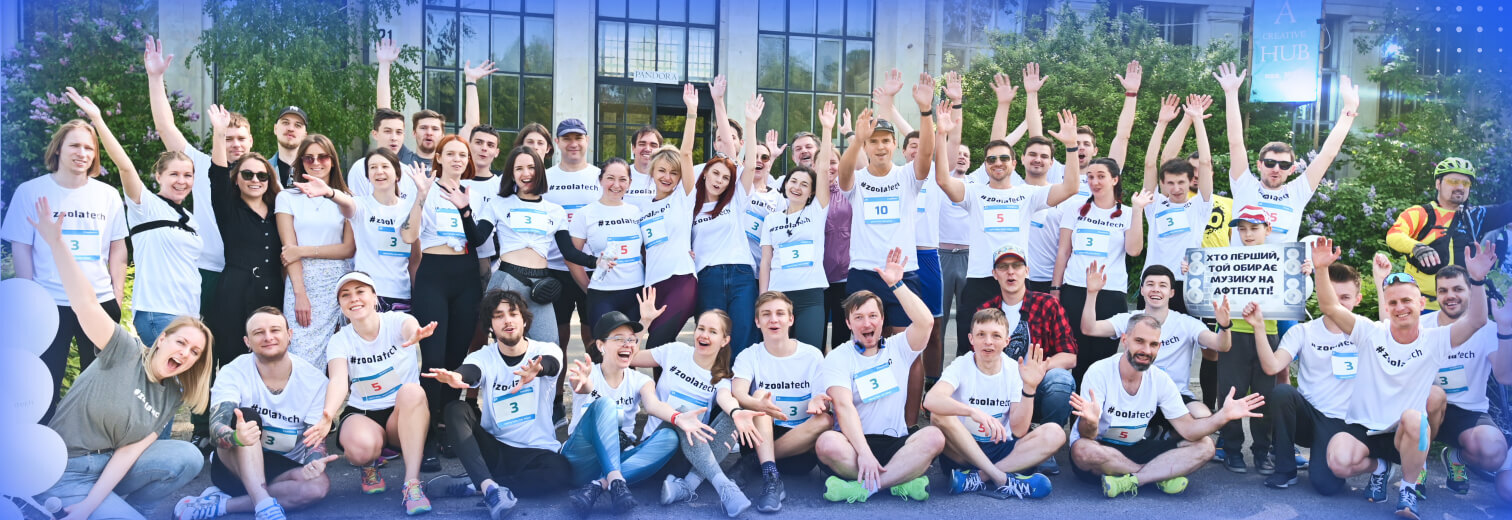
At Zoolatech, we create engineering teams for industry leaders across the US and Europe — teams that move fast, think big, and deliver strong impact.
96%
Client Satisfaction
300+
Successful Projects
2017
Year Founded
98%
Retention Rate
team sport photo
At Zoolatech, we create engineering teams for industry leaders across the US and Europe — teams that move fast, think big, and deliver strong impact.
Engineering Excellence. Every Time.
main award png (1)
At Zoolatech, we create engineering teams for industry leaders across the US and Europe — teams that move fast, think big, and deliver strong impact.
team sport photo
600+
Employees
Headquarters
USA
Development Centers
PL
UA
MX
TR

Building a Remote Patient Monitoring Program?

Tell us your devices, your care model, your EHR, and how you bill, and we scope an approach.
Questions You May Have

What is remote patient monitoring software?

It is software that collects patient health data from a connected device at home and delivers it to a care team, so a clinician can monitor patient status between visits. An RPM system spans the device, a platform that stores and routes the data, and a clinician view with alerts and trends.

What is the difference between RPM and telehealth?

Telehealth is a live visit conducted remotely, while remote patient monitoring is the continuous collection of patient readings between visits. They work best together, so a concerning reading in the RPM platform can trigger a telehealth visit.

Can you integrate any monitoring device?

Yes. We build device-agnostic integration so a patient monitoring device from any manufacturer feeds one platform, over cellular or Bluetooth. This keeps your program from being locked to a single vendor’s hardware.

How does RPM software support reimbursement?

RPM reimbursement depends on tracked device readings and documented care time each month, measured per patient per month. The software captures both automatically as clinicians work, with an audit-ready trail, though we build the capture rather than provide billing advice.

How do you prevent alert fatigue?

We tune thresholds per patient, suppress duplicate and self-resolving alerts, and apply AI to separate real signals from noise. The goal is fewer, better real-time alerts, because a care team that stops trusting alerts stops using the system.

Does RPM software integrate with our EHR?

Yes. Readings and alerts are written back to the EHR through HL7 and FHIR, so RPM lives in the clinical record rather than a separate screen. A clinician sees monitoring data with the patient context needed to act.

Should we build custom RPM software or buy a platform?

A packaged product launches quickly but locks you to its devices, workflow, and a per-patient fee, while custom RPM software fits your care model and is yours as the program scales. Many programs outgrow a rented RPM system once patient volume rises.

How is patient data kept secure in an RPM system?

Patient data is encrypted in transit and at rest from the device through to the clinician view, access is role-based and audit-logged, and each reading is traceable to its device. The RPM system is built to HIPAA compliance from the start.

How is AI used in remote patient monitoring?

AI on the vitals stream reduces false alarms, detects gradual trends a single threshold misses, and orders the care team’s queue by risk. Every AI model is documented and kept under human oversight, because a missed alert is a safety event.

How does RPM improve patient care and patient outcomes?

By catching deterioration between visits, an RPM solution helps improve patient care and patient outcomes, and stronger patient engagement keeps patients on their program. Better patient experience and patient satisfaction follow when the app fits into daily life.

How do you support patient safety and patient compliance?

Patient safety depends on trustworthy alerts and accurate patient readings, so both are engineered first, and simple patient onboarding keeps patient compliance high. Every vital sign and reading is validated before it drives a clinical response.

What monitoring services and data does the platform handle?

The platform delivers monitoring services across each vital sign, plus medical data, clinical data, and health data from every monitoring device, unifying patient data across devices into one record. Clinical monitoring and remote care management run on that single source.

Do you build custom RPM solutions for specific programs?

Yes. We build custom RPM solutions and custom RPM software development for a defined program, so remote patient monitoring solutions are tailored to your conditions. Patient monitoring software development projects start from your care model.

What devices and readings does an RPM system support?

A remote patient monitoring device and other connected monitoring devices capture patient vitals, and the platform normalizes patient readings from all of them. A patient monitoring device from any vendor, and any rpm device you issue, feeds one view.

How does RPM improve patient care across healthcare systems?

RPM extends healthcare services into the home, so a healthcare organization and its healthcare providers manage more patients without more visits. The result is healthcare solutions that improve patient care between appointments.

Do you work as a development company or embed with our team?

As a development company and software development company, we deliver development services and software development services end to end, or embed a development team alongside yours through team extension.

What conditions is an RPM program used for?

An RPM program supports chronic disease management for chronic conditions such as hypertension, heart failure, COPD, and diabetes, plus post-discharge and post-surgical care. The software is tailored to each vital sign and workflow the program tracks.

How much does RPM software development cost?

Cost depends on the number of devices and integrations, EHR and billing scope, and how much workflow and AI the program needs. A custom platform costs more up front than a rented product but avoids a growing per-patient fee, and a precise estimate follows discovery.

Do you build the patient app as well as the platform?

Yes. We handle remote patient monitoring app development for patients alongside the clinician dashboard and the platform, with onboarding designed for older and less tech-comfortable users so patient compliance stays high.