






































POS systems
Enterprise POS platforms built for high-volume, multi-location retail operations.


Cross-industry engineering experience across regulated and high-growth sectors.
All Industries







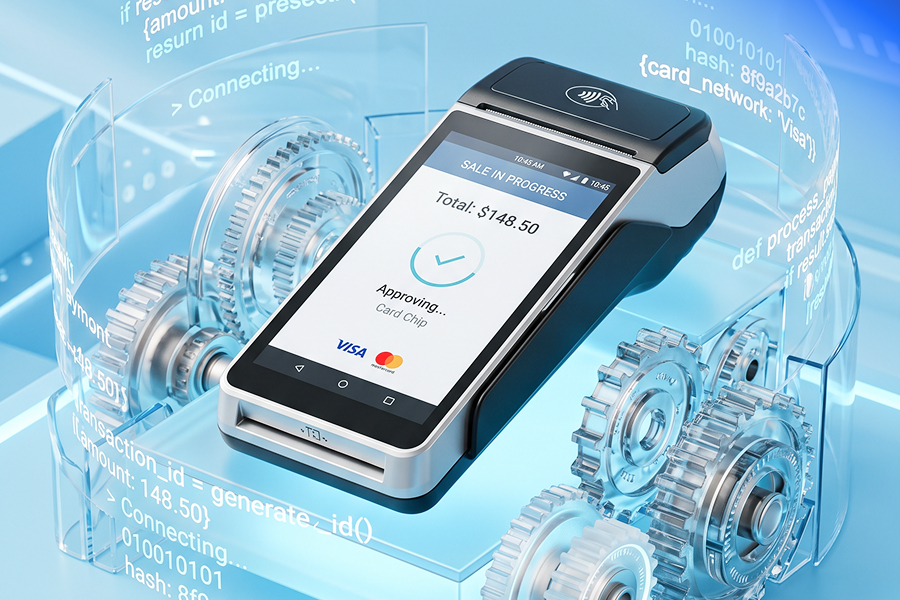
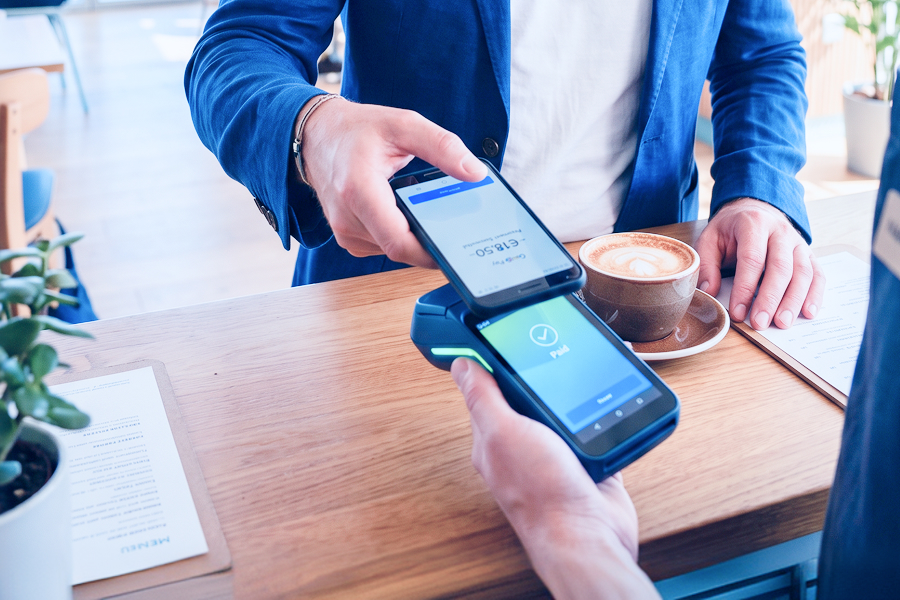




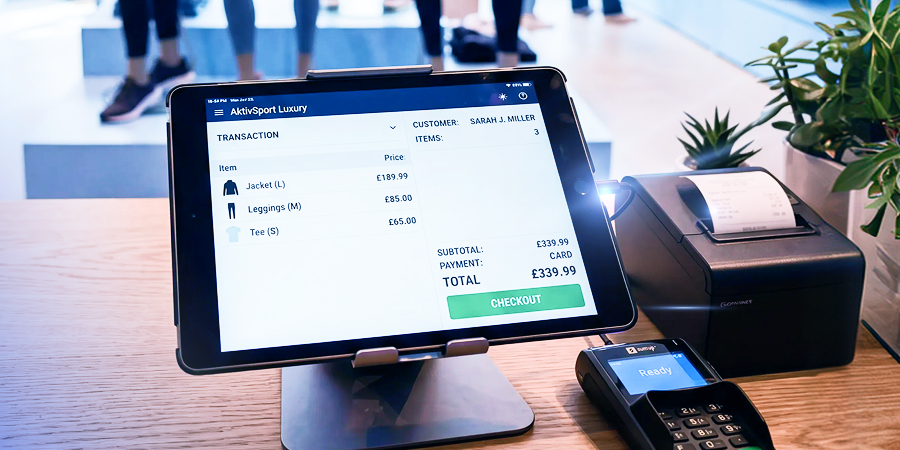
Multi-region, offline-tolerant POS with payment orchestration and fraud controls. This is the deepest part of our retail practice: cross-region data replication, idempotent transaction logic, multi-tender returns, automatic reconciliation of offline tender gaps. Explore our POS integration and mobile POS services, or see the POS and payments platform behind our $110M figure.
Event-driven loyalty engines and notification infrastructure that react to behavior in seconds, not overnight batches – the same class of systems we built for Zalando’s notification center and a US fashion retailer’s loyalty experience.
Scalable storefronts with personalization engines, catalog management, checkout optimization, and high-volume transaction handling. We build B2C storefronts and B2B marketplaces alike — including a B2B commerce platform for Wish. More on our ecommerce practice.
Customer data platforms that unify behavioral, transactional, and loyalty signals into a single actionable profile – the layer personalization, offers, and retention programs actually run on.
Real-time pipelines that put sales, inventory, and customer signals in one place – the difference between reporting on yesterday and acting on the last five minutes. Zalando’s near-real-time analytics and customer data pipeline run on architecture we engineered. More on our retail data analytics services.
One inventory truth across store, web, and app: same-day pickup, ship-from-store, endless aisle. We enabled same-day pickup for a retailer by connecting store inventory, e-commerce, and fulfillment.
Practical applications with owners and metrics: an AI shopping assistant, demand forecasting, and fraud anomaly detection – including modernized payment fraud management for a leading US retailer.
A unified cloud merchandising platform and warehouse operations software that cuts manual coordination between buying, planning, and stores.
















 USA
USA PL
PL UA
UA MX
MX TR
TR
Retail software development covers the design and build of custom software for retail operations, including POS systems, ecommerce platforms, inventory management, analytics, and retail management software.
SaaS works for standard workflows, but custom retail software development is better when processes, integrations, or scalability requirements exceed off-the-shelf platform capabilities.
Buy off-the-shelf when your process matches the market standard. Build custom when your advantage lives in the process itself – promotion logic, fulfillment model, loyalty mechanics – or when the integration cost of a packaged product exceeds building the connective layer. Most of our clients run a hybrid: packaged core, custom edges.
A standalone module typically takes 3–6 months, while a full omnichannel retail or ecommerce platform can take 6–18 months depending on scope and integration complexity.
Cost is driven by scope, integrations, and compliance requirements more than by feature count. A focused integration project is a different engagement from a full omnichannel platform, which is a multi-quarter program. We scope against your actual architecture in the first consultation – no generic estimates.
We plan migrations in phases, with parallel operations during transition periods to maintain business continuity and reduce operational risk.
Most retail platforms integrate with ERP, CRM, ecommerce storefronts, payment gateways, loyalty systems, and supply chain management platforms.
Scalability is designed into the architecture from the start, including database design, API capacity, cloud infrastructure, and load testing under peak retail volumes.
Yes – where they have an owner and a metric. Recent work includes an AI virtual assistant for shopping, demand-forecasting models, and fraud anomaly detection integrated into payment flows. We treat AI as a platform feature, not a separate initiative.